
The Ultimate Whole House Renovation Checklist for 2026
A step-by-step guide from planning to move-in, built for homeowners who want a stress-free, high-value remodel.
A whole house renovation is not a weekend project. It involves dozens of trades, hundreds of decisions, and a budget that can easily balloon without structure. According to the National Association of Home Builders, the average whole-house remodel costs between $100,000 and $200,000 and takes 3 to 8 months. Without a checklist, you risk change orders, permit delays, and budget overruns.
Why You Need a Whole House Renovation Checklist
A checklist gives you three things: clarity (you know what happens next), control (you catch problems early), and confidence (you can track progress against milestones). At George Design & Construction, we have guided over 1,000 families through full-scale renovations since 2006. This checklist distills that experience into a single actionable guide.
Phase 1: Planning & Budgeting (Weeks 1–4)
Start with the end in mind. Define your goals, lifestyle needs, and must-haves before talking to contractors.
- Set a realistic total budget and add a 15–20% contingency fund.
- List priorities: layout changes, storage, energy efficiency, aging-in-place features.
- Collect inspiration images and identify a consistent style direction.
- Research local permit requirements for structural, electrical, and plumbing work.
- Interview at least three contractors and check licenses, insurance, and references.
Phase 2: Design & Permits (Weeks 5–10)
Once you select a design-build partner, the detailed drawings and permit applications begin.
- Finalize floor plans, elevations, and 3D renderings.
- Choose major finishes: flooring, cabinetry, countertops, tile, fixtures.
- Submit permit packages and schedule pre-construction meetings.
- Order long-lead items such as custom cabinets, windows, and doors.
Phase 3: Demolition & Rough Work (Weeks 11–16)
This is the messiest phase, but it is also where the new layout takes shape.
- Protect areas not being renovated.
- Remove old materials responsibly; salvage or donate usable items.
- Complete structural framing, HVAC rough-in, plumbing rough-in, and electrical wiring.
- Schedule inspections before closing walls.
Phase 4: Systems & Finishes (Weeks 17–24)
Now the visible transformation begins. Quality control matters most here.
- Install drywall, flooring, tile, cabinets, countertops, and trim.
- Paint walls, ceilings, and exterior surfaces.
- Install plumbing fixtures, lighting, appliances, and hardware.
- Verify measurements and finishes against approved samples.

Phase 5: Final Touches & Move-In (Weeks 25–28)
- Complete the final punch list with your contractor.
- Deep clean every room, including ducts and vents.
- Test all systems: HVAC, plumbing, electrical, smart devices.
- Collect warranties, manuals, and as-built drawings.
- Move in and enjoy your renovated home.
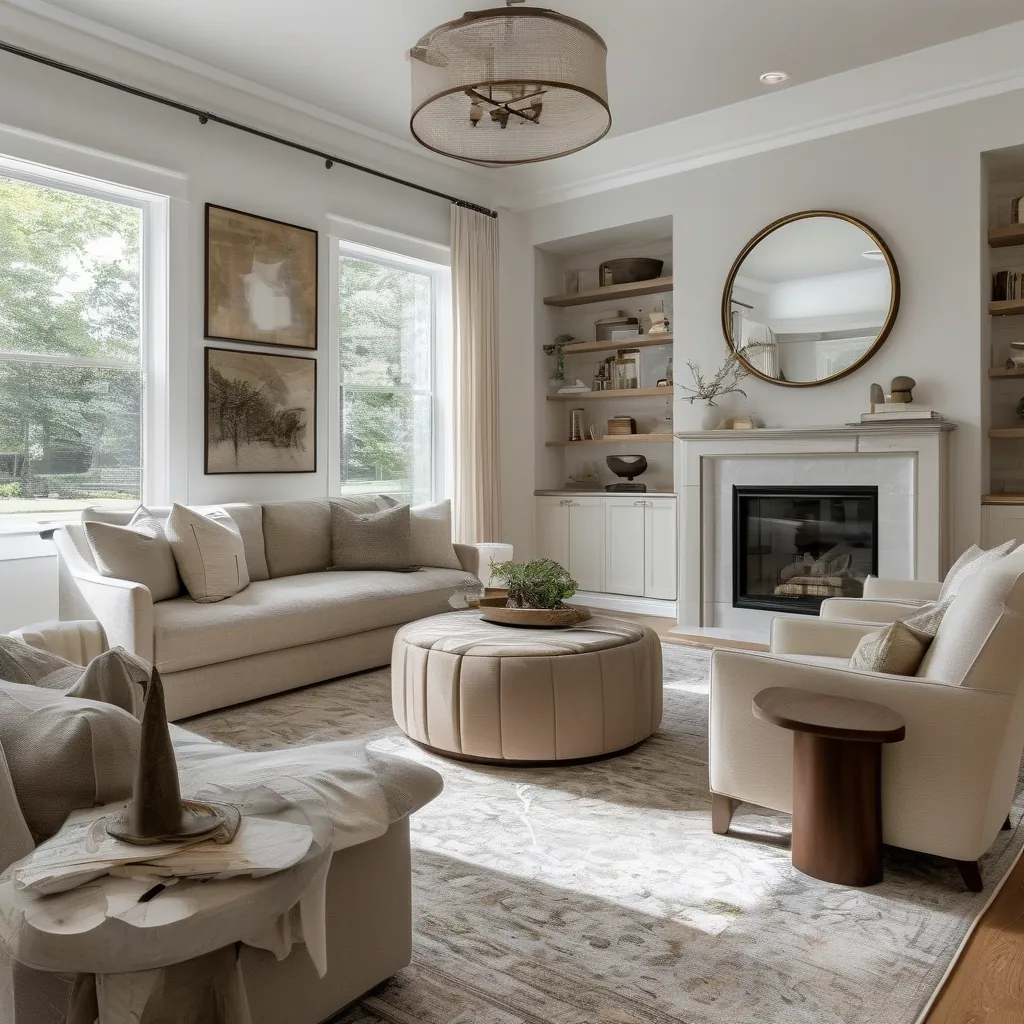
Whole House Renovation Budget Breakdown
| Category | Budget Share | Example ($150K Project) |
|---|---|---|
| Design & Permits | 8–12% | $12,000–$18,000 |
| Structural & Framing | 10–15% | $15,000–$22,500 |
| Kitchen | 15–20% | $22,500–$30,000 |
| Bathrooms | 10–15% | $15,000–$22,500 |
| Flooring & Painting | 10–12% | $15,000–$18,000 |
| Electrical & Plumbing | 10–12% | $15,000–$18,000 |
| HVAC | 5–8% | $7,500–$12,000 |
| Contingency | 15–20% | $22,500–$30,000 |
6 Common Mistakes to Avoid
- Starting demolition before permits are approved.
- Underestimating the contingency fund.
- Choosing finishes based only on trends, not durability.
- Skipping a detailed written contract.
- Changing the scope mid-project without change orders.
- Neglecting storage and daily livability during construction.
Frequently Asked Questions
How long does a whole house renovation take?
Most whole house renovations take 3 to 8 months, depending on size, complexity, and permit timelines. Large-scale or custom projects may extend to 12 months.
Do I need to move out during a whole house renovation?
For full-gut renovations, yes. For phased projects, you may be able to live in part of the home. Dust, noise, and utility shutdowns are the main factors.
What is the first step in a whole house renovation?
The first step is defining your goals and budget. Everything else—design, permits, contractor selection—flows from those two decisions.
How do I choose the right renovation contractor?
Verify licenses and insurance, review portfolios of similar projects, check references, and ensure the contract includes scope, schedule, payment terms, and warranty.
Ready to Start Your Whole House Renovation?
A well-planned renovation adds comfort, function, and long-term value to your home. Contact George Design & Construction for a free consultation and a customized renovation plan tailored to your budget and lifestyle.