Aluminum windows and doors have quietly moved from a commercial specification to the default choice for modern homes. Walk through any newly built villa, townhouse or coastal apartment today and the pattern is the same: thin dark frames, glass pushed to the floor, and openings that disappear into the wall when the weather is good. This guide explains why that shift happened, what to look for when you specify a system, and how to avoid the mistakes that cost owners the most money.
Why Aluminum Has Become the Default for Modern Homes
Aluminum wins on a simple ratio: it carries more load per kilogram of frame than timber, uPVC or steel. That strength lets manufacturers shrink the visible profile while still supporting large, heavy panes of glass. A frame that is 30 percent slimmer is not a cosmetic detail. It changes how much daylight enters a room, how wide an opening can be built without a centre post, and how much of your garden or skyline you actually see from the sofa.
The material also solves the maintenance problem that timber owners know well. Aluminum does not rot, swell, or need repainting every few years. A quality powder-coated or anodised finish holds its colour for two decades even under strong coastal UV. For owners building in humid or tropical markets, that durability is usually the deciding factor.
Slim Frames and Larger Glass Define the 2026 Look
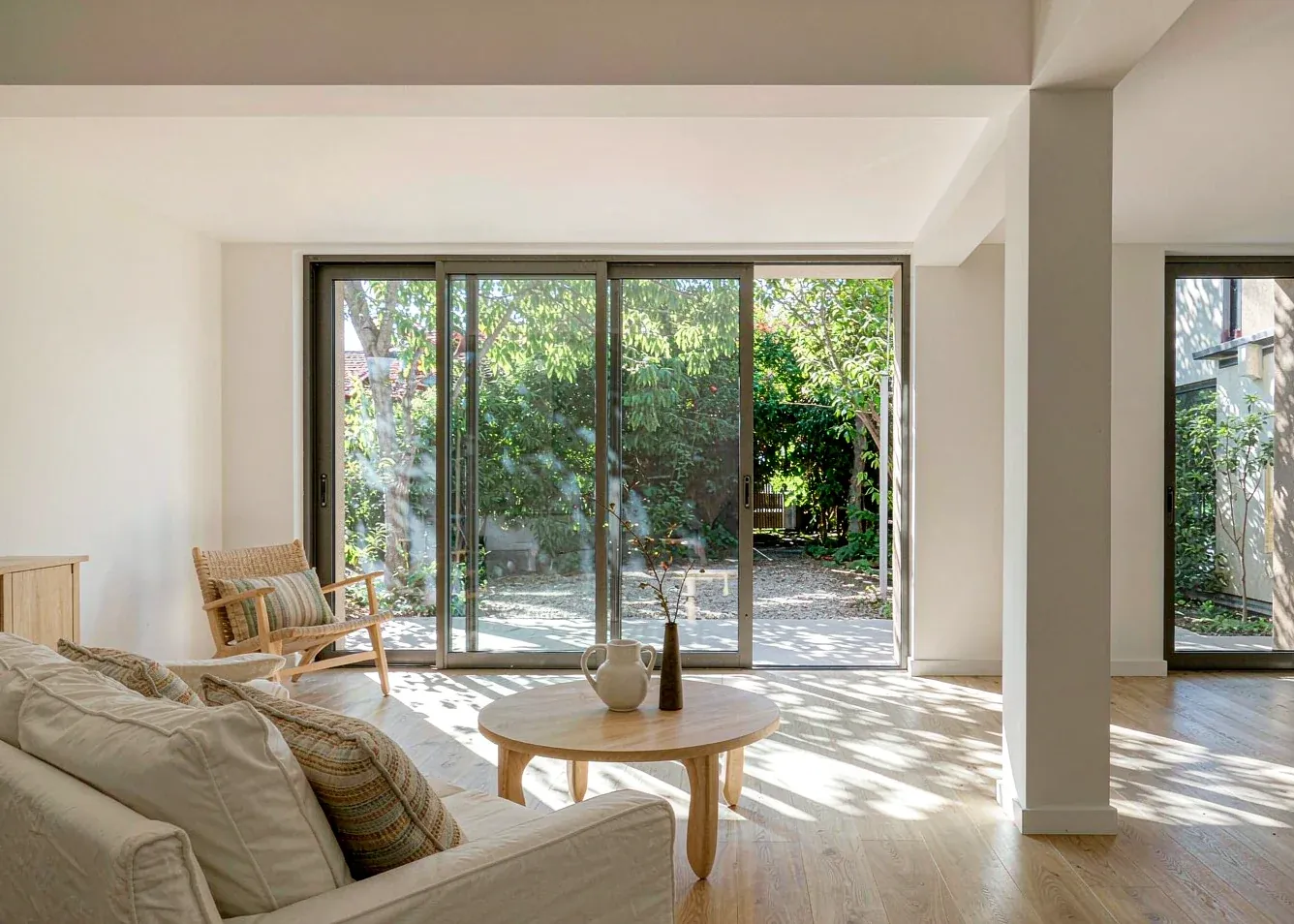
The direction for 2026 is more glass and less frame. Multi-slide systems have overtaken traditional bifolds in most premium projects because the panels stack or tuck into a wall pocket, leaving a completely clear opening with no folded stack blocking the view. Lift-and-slide hardware lets a panel weighing several hundred kilograms move with one hand.
Corner glazing is the other signature move. By engineering the corner post out of the structure, two glass walls meet without a visible column. The effect is dramatic in living rooms and stairwells, and it is only practical with aluminum because no other common framing material is stiff enough.
Understanding Thermal Break Technology
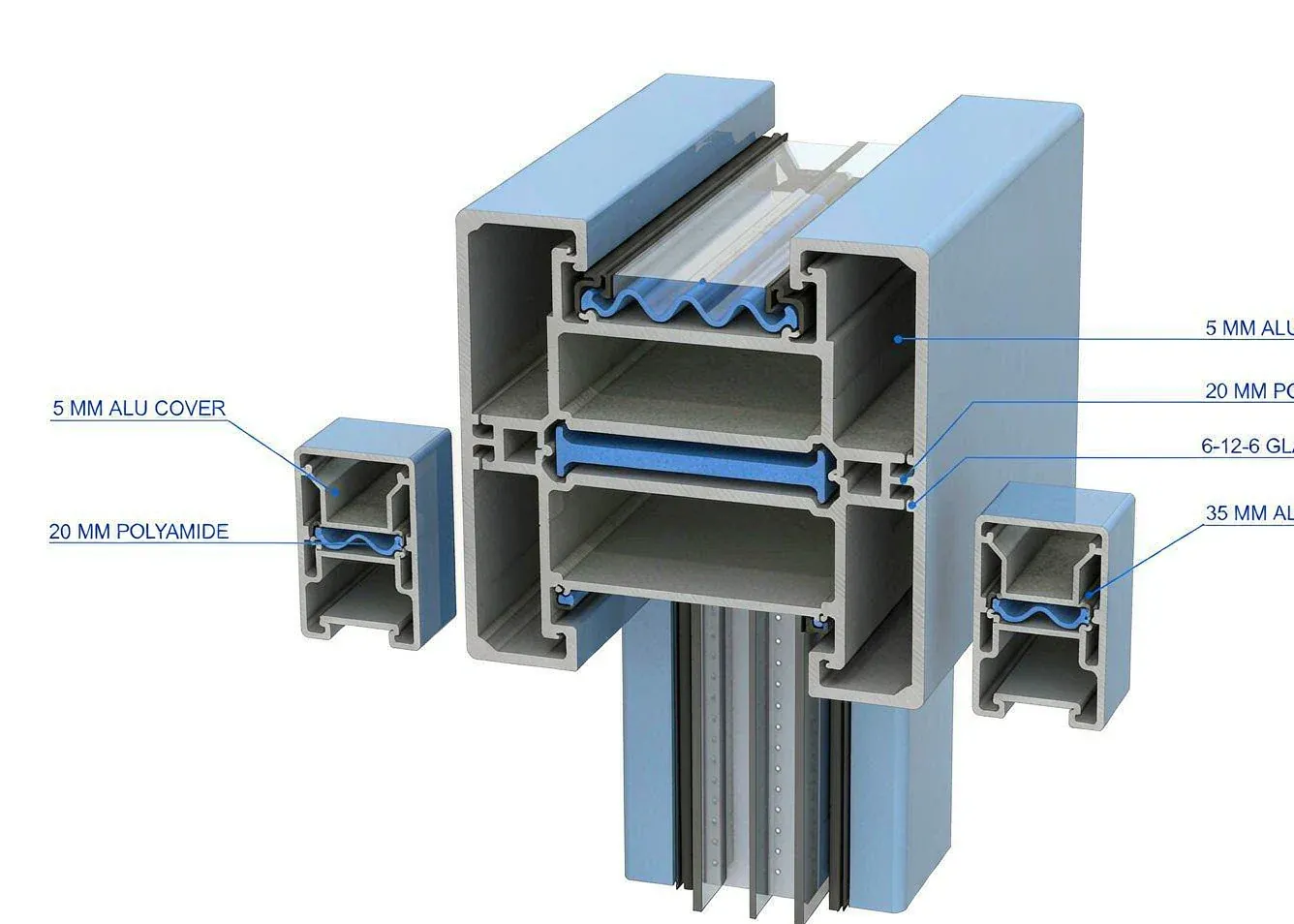
What a Thermal Break Actually Does
Aluminum conducts heat quickly, which is why early aluminum windows were cold to touch in winter and prone to condensation. A thermal break fixes this by inserting a low-conductivity polyamide strip between the inner and outer aluminum shells. The two halves are mechanically locked together but thermally separated, cutting heat transfer dramatically while keeping the frame’s structural strength.
Glazing Matters as Much as the Frame
A thermally broken frame paired with single glazing wastes most of the benefit. Specify double glazing as a minimum, with a low-emissivity coating and an argon-filled cavity. In hot climates the coating should be tuned to reject solar heat rather than retain interior warmth, and in cold climates the reverse. Ask your supplier for the U-value of the complete unit, not just the frame or the glass in isolation.
Finishes and Colours That Are Trending
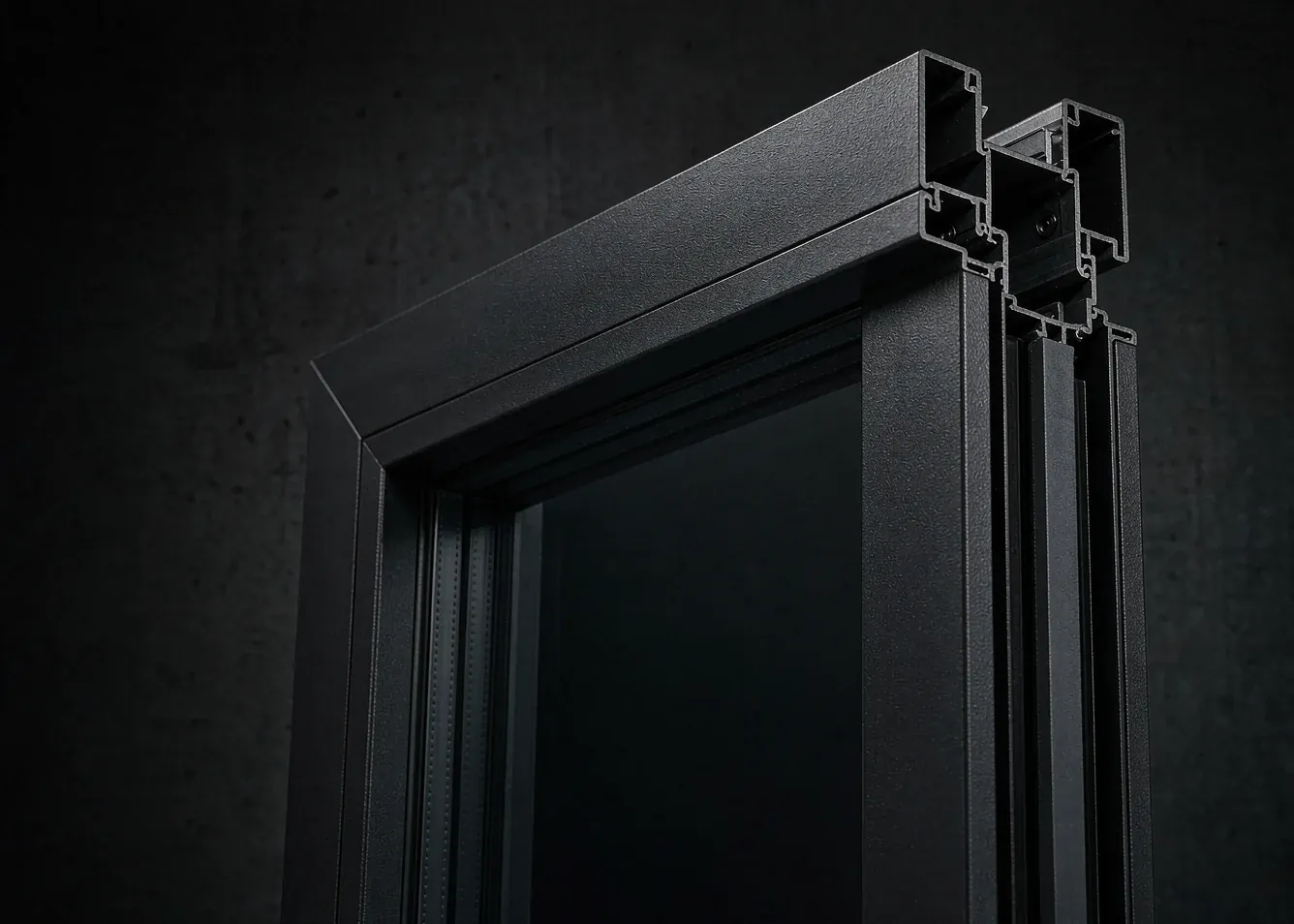
Matte Black and Charcoal
Dark frames remain the strongest trend because they outline a view like a picture frame. Matte black and deep charcoal work against light render, stone and timber, and they read well in photographs, which is part of why the look spread so fast. Specify a marine-grade or qualified powder coating if the property sits near the coast, since cheaper finishes chalk and fade under salt air.
Bronze and Earth Tones
Warmer metallics are the newer direction. Bronze, dark champagne and textured wood-effect finishes suit projects that lean toward natural materials. These tones pair particularly well with the earthy palettes described in our 2026 interior design styles guide.
Choosing the Right System for Each Room
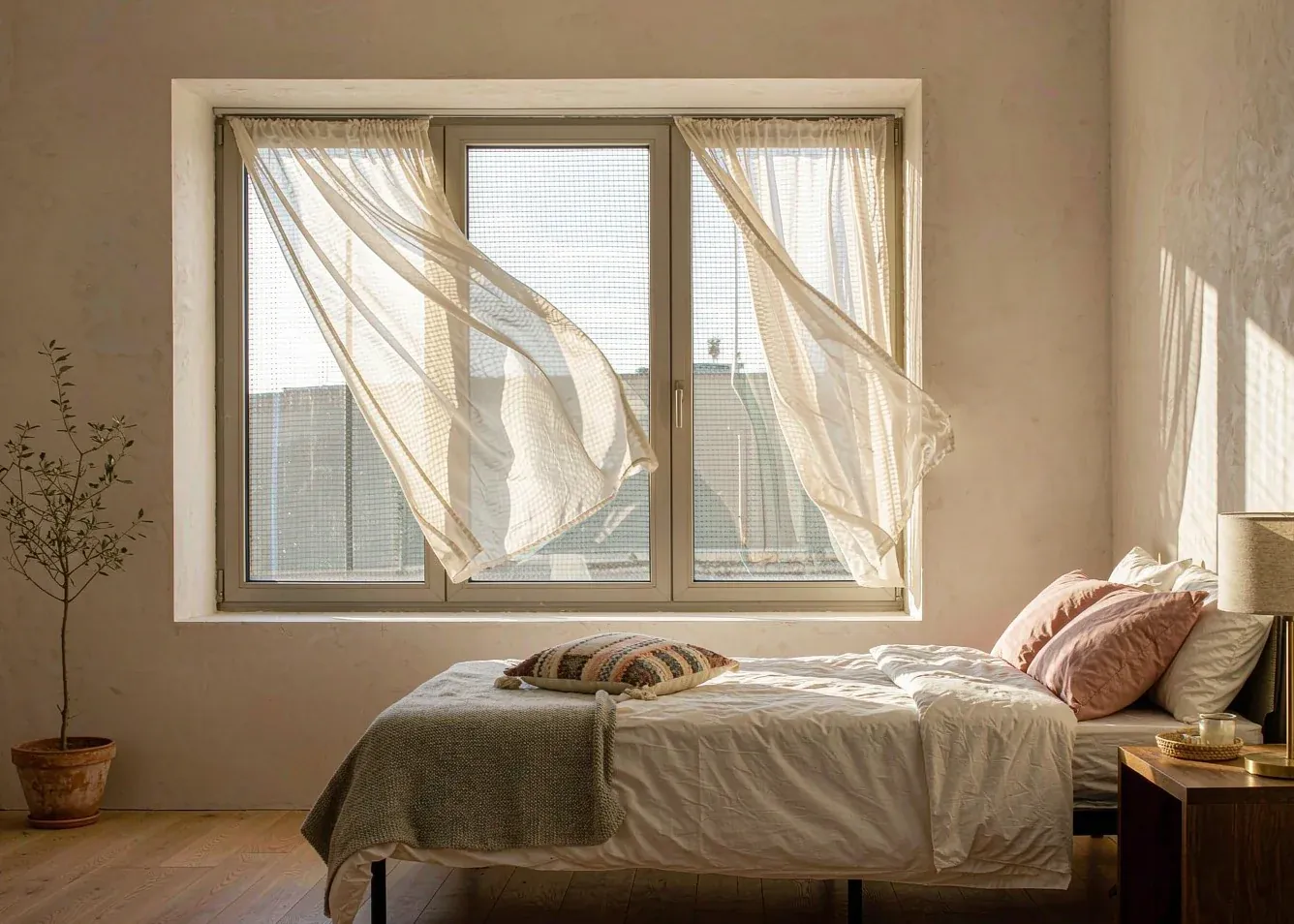
Living Areas and Sliding Systems
For living rooms, prioritise opening width and sightlines. A multi-slide or lift-and-slide system that spans the full wall will do more for the space than any piece of furniture. If the opening faces a garden or pool, check that the track is a low-threshold design so the floor runs flush from inside to out. Our living room renovation ideas cover how to plan furniture around a large opening.
Bedrooms and Acoustic Comfort
Bedrooms have a different priority: silence. Choose casement or tilt-and-turn windows with compression seals, and specify laminated glass for any room facing a road. Laminated glass uses a plastic interlayer that dampens sound far better than standard double glazing of the same thickness. Pair this with soft furnishings such as heavy curtains or the wall panels covered in our soft decoration guide for a quieter room.
Entry Doors That Make a Statement
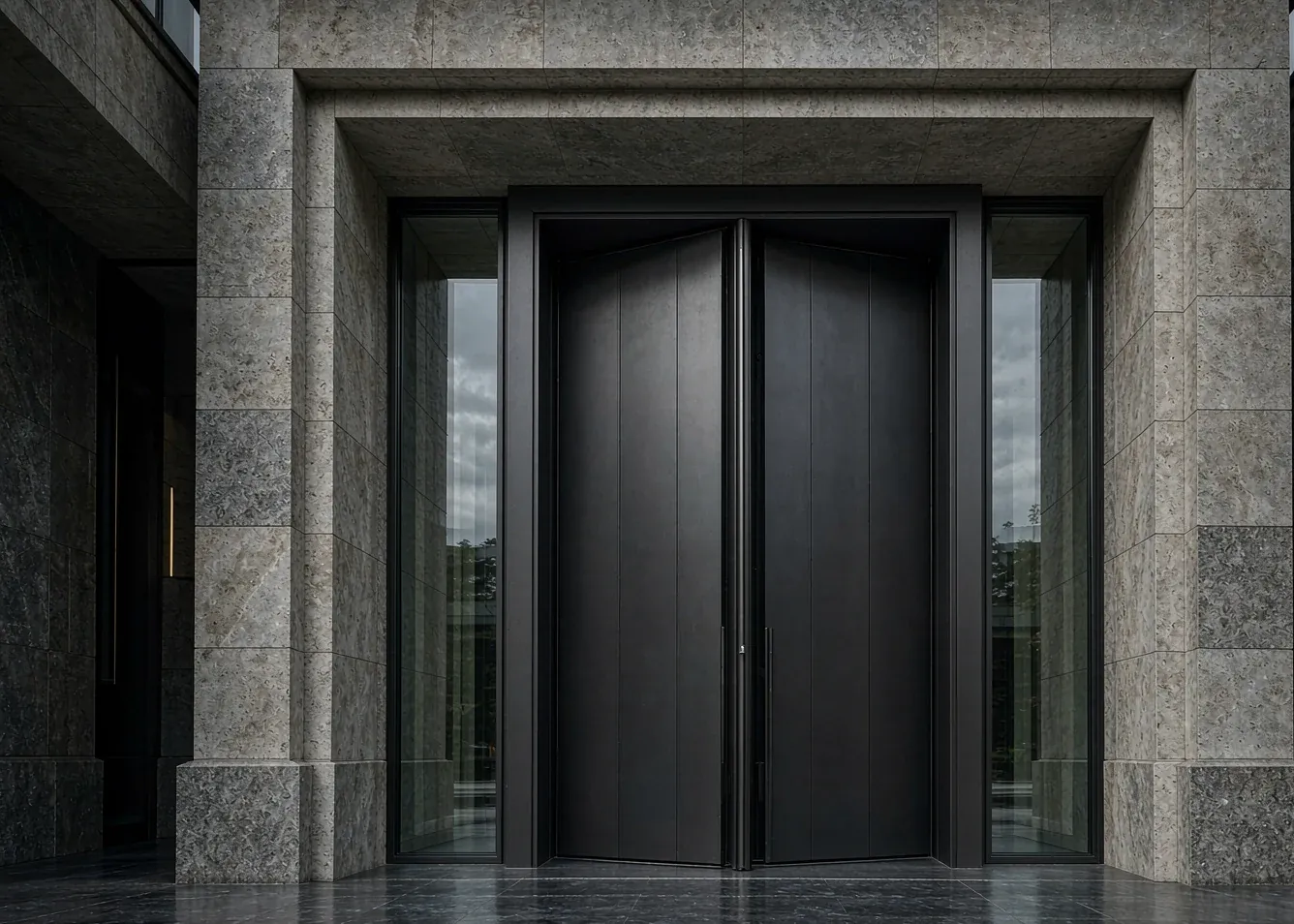
The front door sets the tone for the whole facade. Pivot systems have become the entrance of choice for larger homes because the hinge carries the weight from a floor-mounted point rather than the side, allowing doors well over a metre wide and three metres tall to open with a light push. Slim glazed sidelights on either side extend the entrance visually and bring daylight into the hallway.
Acoustic and Security Performance
Performance claims are where buyers get caught out. Ask for test certificates covering three things: air permeability, water tightness and wind load resistance. In cyclone or hurricane regions the wind rating is not optional. For security, look for multi-point locking that engages the frame at several positions, laminated or toughened safety glass, and anti-lift devices on sliding panels so the door cannot be levered out of its track.
What Aluminum Windows and Doors Cost
Prices vary enormously by specification, but the drivers are consistent. Profile depth and thermal performance account for a large share of the cost, followed by glass specification, then hardware. A thermally broken system with laminated double glazing and German hardware can cost two to three times a basic non-thermal system. Oversized panels, curved glass and custom colours add further.
The mistake to avoid is optimising the frame while under-specifying the glass and hardware. A cheap roller on a four-metre sliding panel will fail long before the aluminum does, and replacing it means dismantling the door.
Sourcing Aluminum Systems from Foshan
Foshan is the manufacturing centre for aluminum profiles and fabricated window systems, which is why so many overseas projects source their openings there. The advantage is not only price but range: profiles, finishes, hardware and glass can all be matched within one order, and custom sizes are standard rather than exceptional.
If you are buying a complete package rather than windows alone, our new house solutions page explains how openings are coordinated with cabinetry, sanitary ware, lighting and flooring in a single shipment. You can also read more about material sourcing in our building supplies guide, and about our manufacturing background on the George Group China page.
Before you order, confirm these five points in writing: alloy and temper, profile wall thickness, thermal break material, glass build-up with spacer type, and the hardware brand and model. Most disputes after delivery trace back to one of these being left vague.
Care and Maintenance
Aluminum systems are low maintenance but not zero maintenance. Clean the frames twice a year with mild detergent and water, avoid solvent-based cleaners on powder coating, and keep the drainage channels and track free of debris. Lubricate rollers and hinges annually, and check compression seals for wear every few years. Done properly, a quality system will still be operating smoothly after twenty years.
Frequently Asked Questions
Are aluminum windows energy efficient?
Yes, when they are thermally broken and paired with appropriate double or triple glazing. A non-thermal aluminum frame performs poorly in both hot and cold climates, so the thermal break is the specification to insist on.
How long do aluminum windows and doors last?
The frames routinely exceed 40 years. Hardware and seals are the wear items and typically need attention somewhere between 10 and 20 years, depending on use and exposure.
Do aluminum frames rust?
Aluminum does not rust, but it can corrode in coastal environments if the finish is damaged or the specification is wrong. Marine-grade powder coating or anodising, plus regular rinsing with fresh water, prevents this.
Can aluminum be made to look like timber?
Yes. Sublimation wood-effect finishes transfer a grain pattern onto the powder coat and are convincing at close range. They cost more than standard colours but avoid the maintenance that real timber requires.
Which is better, aluminum or uPVC?
uPVC costs less and insulates well, but it needs thicker frames to carry the same load, limits the size of openings, and can discolour or warp under strong sun. Aluminum suits large openings and hot climates; uPVC suits smaller windows on a tight budget.
Plan Your Openings Early
Windows and doors are the one element that must be decided before construction starts, because the openings are built into the structure. Getting the specification right at design stage costs nothing extra; changing it after the walls are up is expensive. If you are at the planning stage, our whole house renovation checklist walks through the sequence, or talk to our team about a coordinated package that covers every opening in your project.