An energy efficient home renovation is one of the few upgrades that pays you back every single month. At George Design Foshan, we plan renovations around insulation, high-performance windows, efficient systems, and smart controls so families lower their utility bills while living in quieter, more comfortable spaces. This guide breaks down the highest-impact moves, what they cost to implement, and how to sequence them for the best return.
Why Energy Efficient Home Renovation Pays Off
Heating, cooling, and hot water account for the majority of a home’s energy use. Upgrading the building envelope—walls, roof, and especially glazing—delivers compounding savings because every degree of lost conditioning is money out the window. According to Energy Star, qualified windows alone can cut energy bills by an average of 12 percent, and the comfort benefit is immediate: fewer drafts, more even temperatures, and less noise.
The smartest approach is to treat the renovation as a system. Seal the envelope, then right-size the mechanical systems. A smaller, efficient air conditioner serving a well-insulated home costs less to run than a oversized unit fighting air leaks.
Start With Windows and Doors
If your home still has single glazing, windows are the first place to invest. Modern double- or triple-glazed units with low-emissivity coatings and thermally broken frames stop heat transfer without sacrificing the daylight that makes a room feel alive. Our aluminum windows and doors range pairs slim sightlines with strong thermal performance—ideal for the bright, open layouts Foshan homeowners prefer.
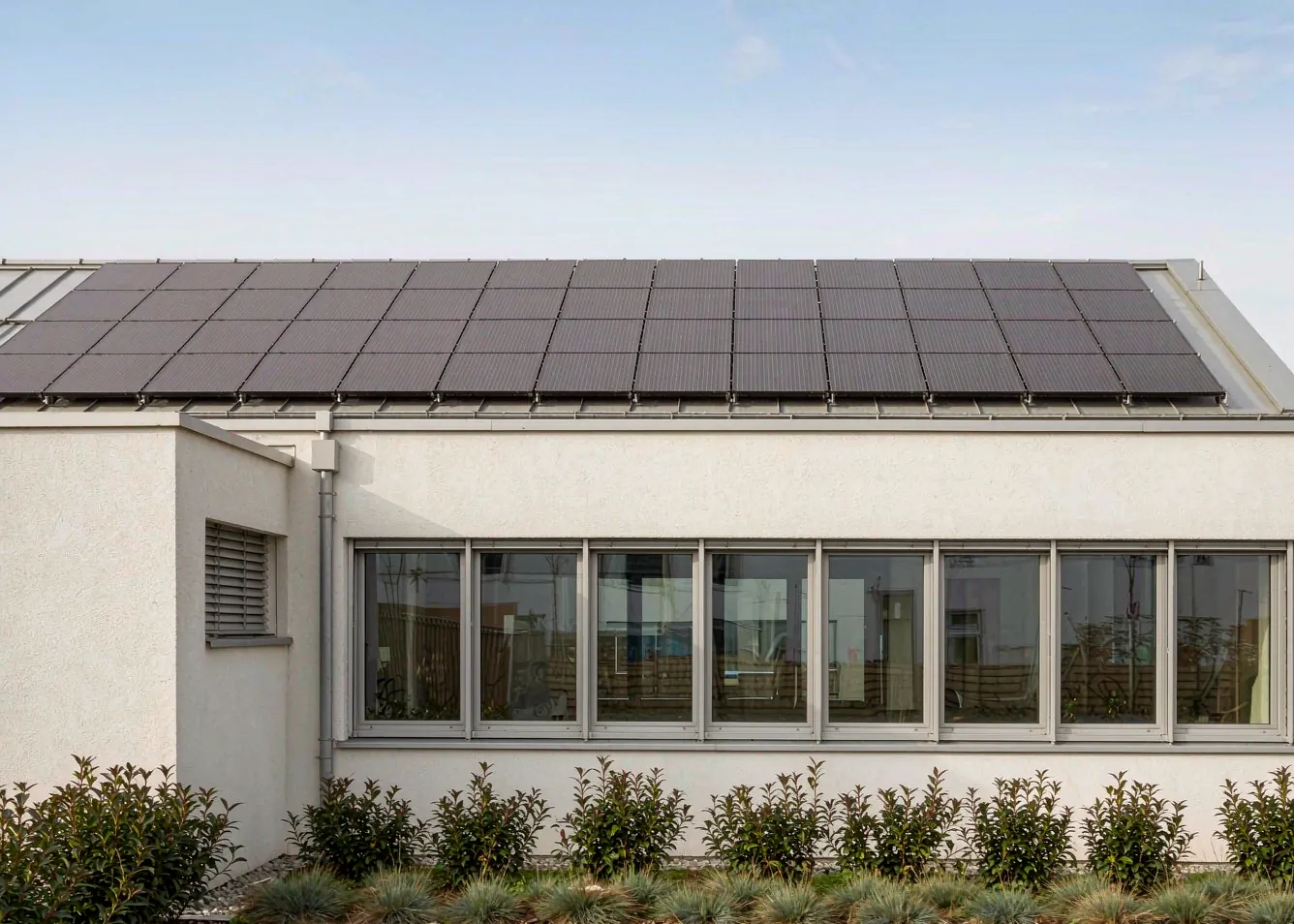
Pair new glazing with proper shading—overhangs, louvers, or planting—to block summer sun while welcoming winter light. That passive strategy reduces cooling loads before you spend a cent on equipment.
Insulation and Air Sealing
Insulation is invisible but powerful. Upgrading roof, wall, and floor insulation, then air-sealing gaps around penetrations, can cut heating and cooling demand by 15 to 30 percent. In bedrooms especially, a well-insulated shell means the room stays comfortable through the night without constant heating.
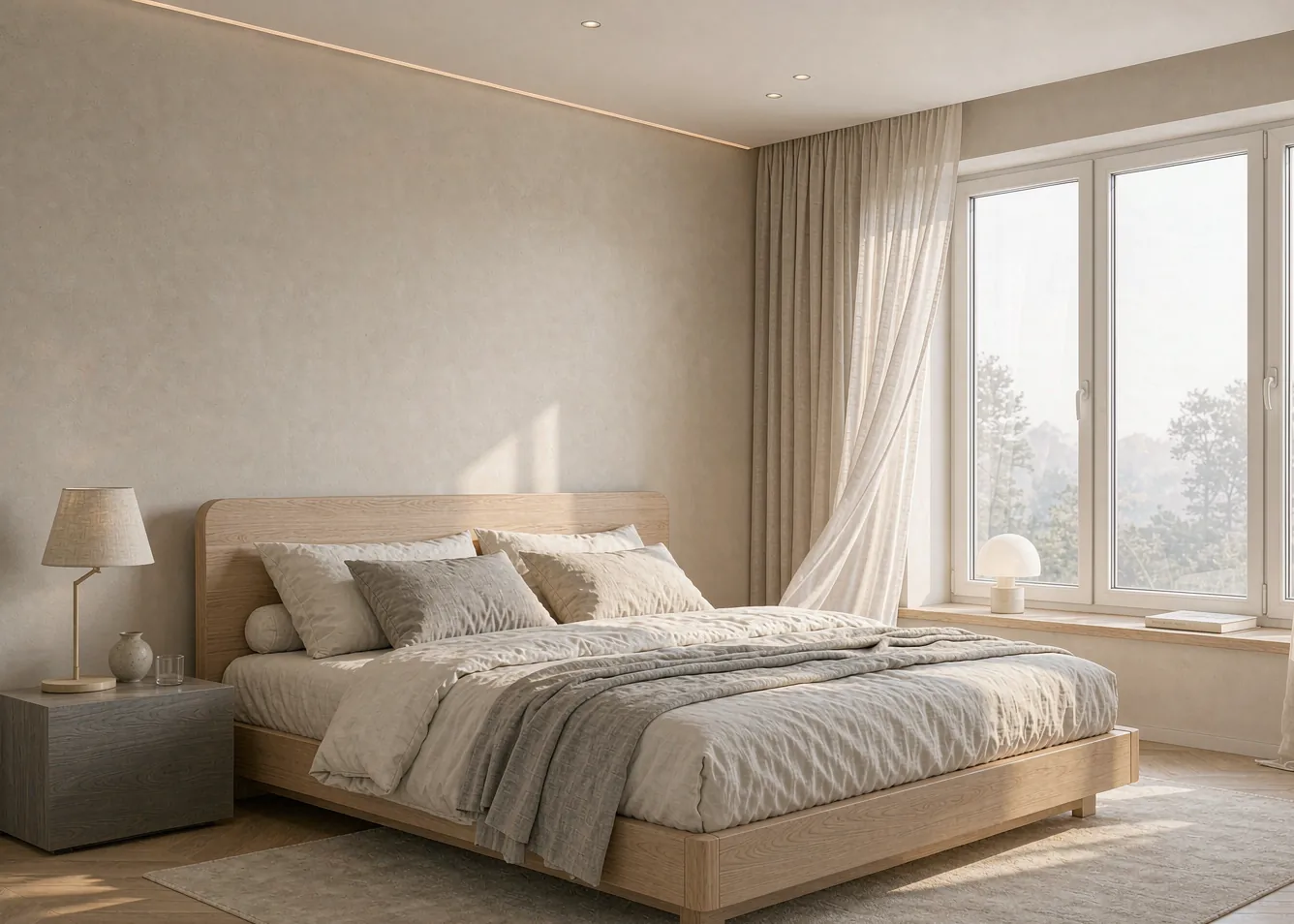
Prioritize the attic and rim joists—these are the leakiest zones in most homes. A blower-door test during the renovation planning phase tells you exactly where to seal for the fastest payback.
Efficient Kitchens and Appliances
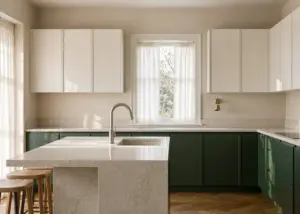
The kitchen is the second-largest energy user after HVAC. Induction cooktops are roughly 10 percent more efficient than radiant electric and far safer, while LED task lighting and an efficient dishwasher trim daily consumption. When we handle a kitchen renovation, we specify induction, integrated LED strips, and ENERGY STAR appliances as standard.
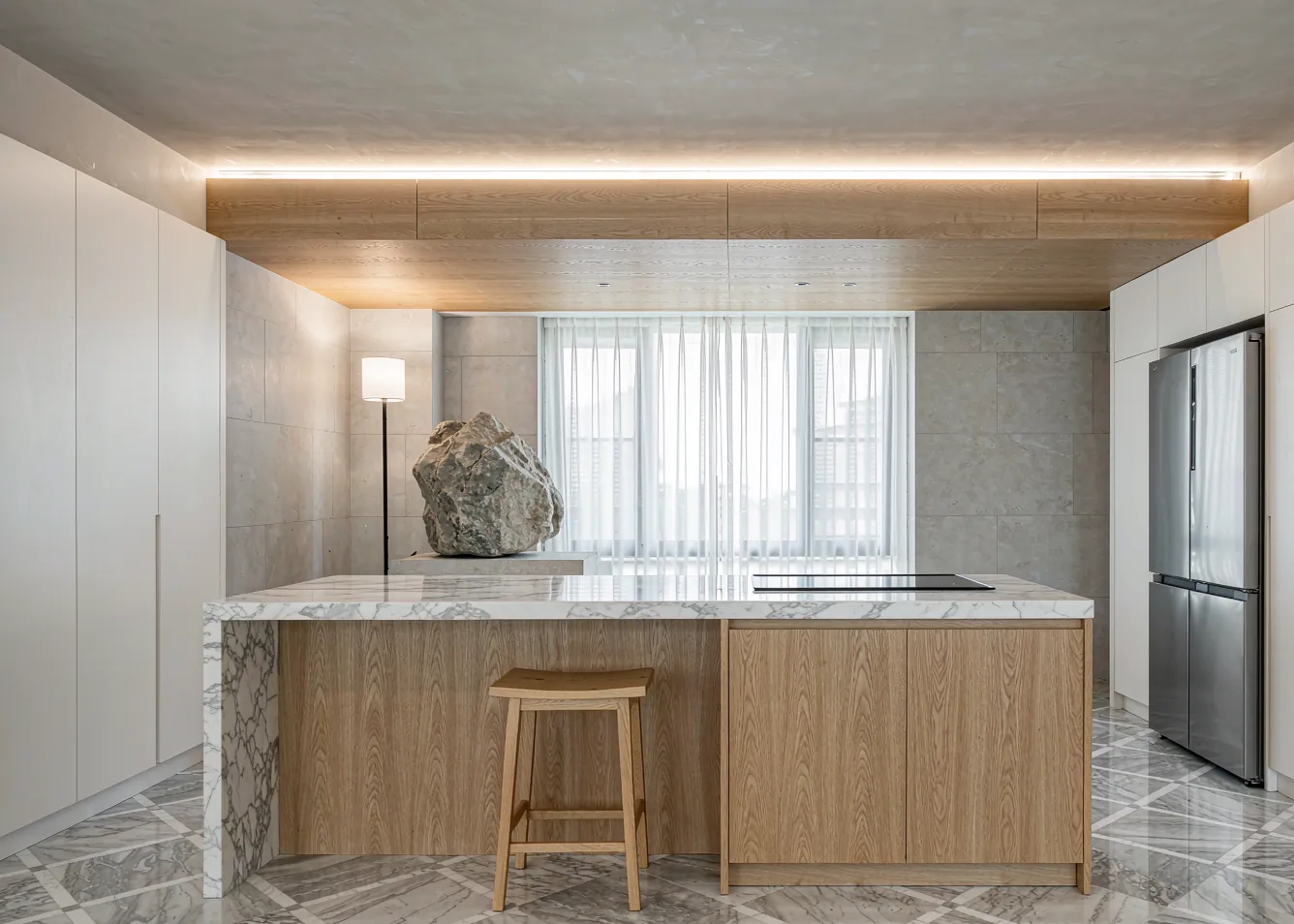
Ventilation matters too. A heat-recovery ventilator exchanges stale indoor air for fresh outside air while retaining up to 90 percent of the heat—keeping the air healthy without wasting energy.
Water and Bathroom Efficiency
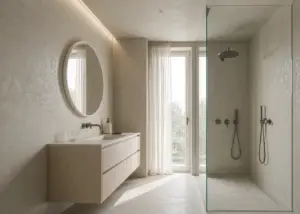
Heating water is a hidden cost. Low-flow showerheads, aerated faucets, and an efficient heat-pump water heater can cut water-heating energy by a third. In the bathroom renovation, we pair skylights for daylight with low-flow fixtures and matte black fittings for a modern, efficient result.
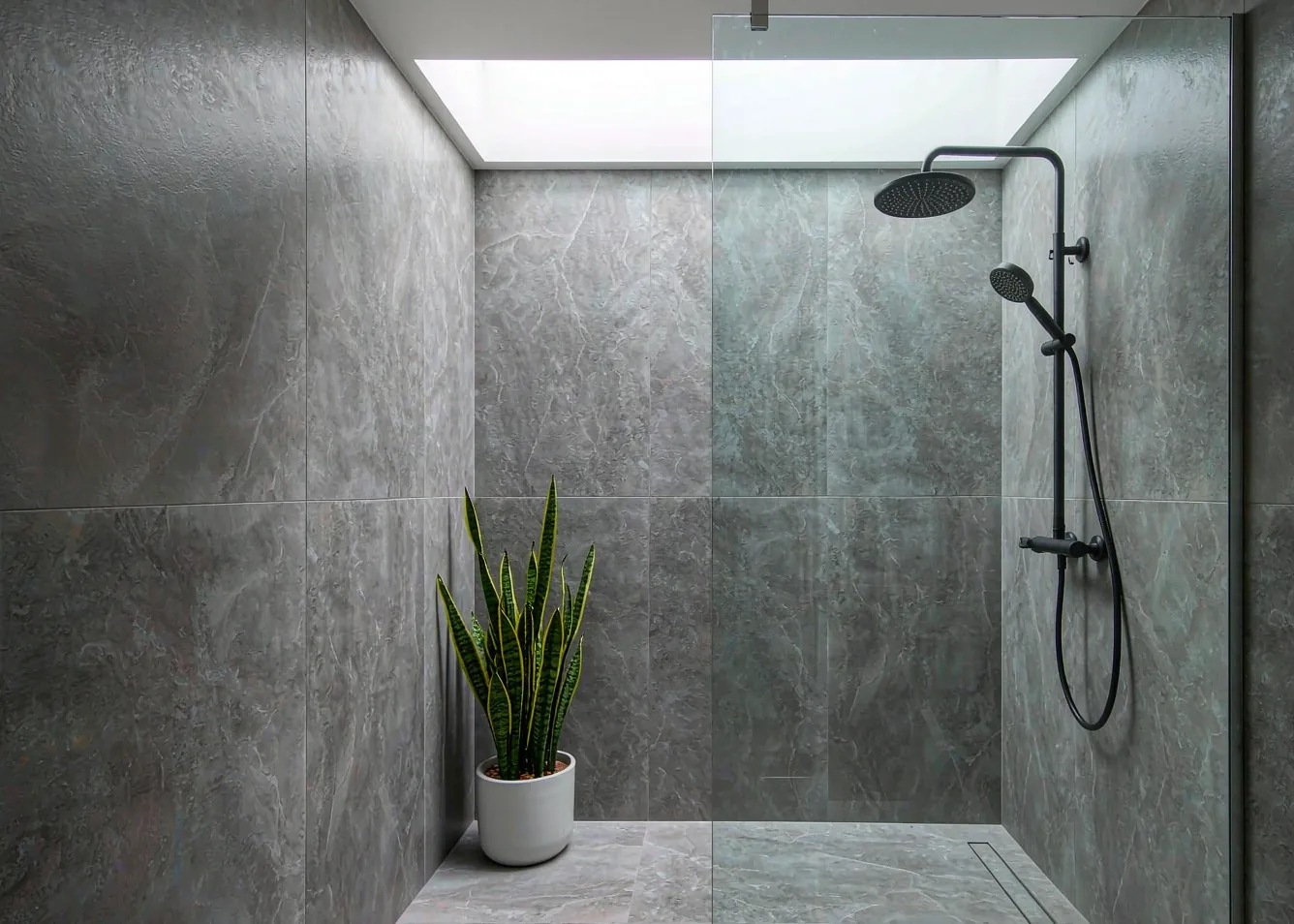
Recovering greywater for irrigation is a further step for larger renovations, though it pays off most in drier climates.
Smart Controls and Monitoring
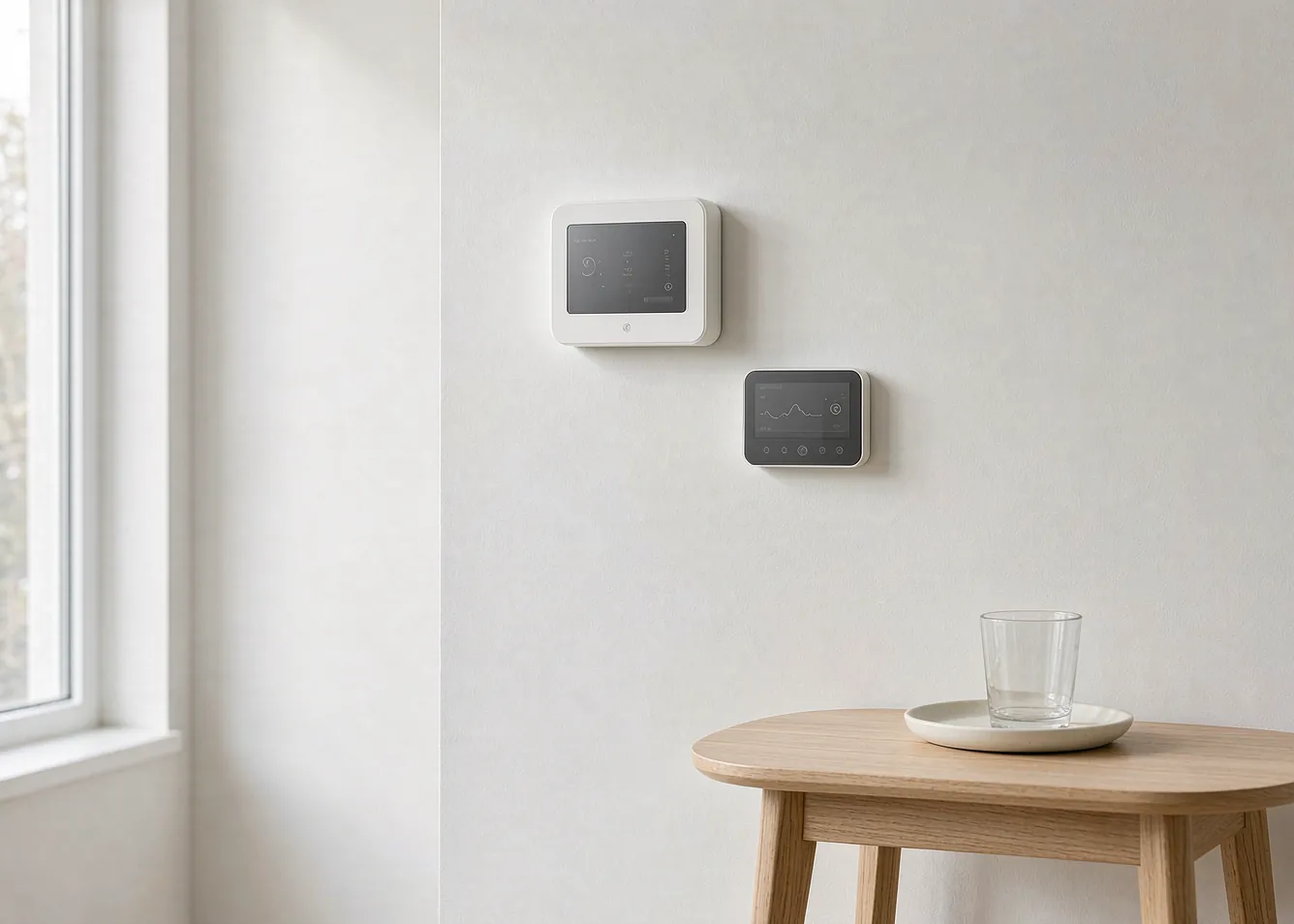
You cannot manage what you do not measure. A smart thermostat learns your schedule and trims heating and cooling when the house is empty, typically saving 8 to 10 percent on those bills. Add a simple energy monitor and you can see which circuits cost the most—turning abstract advice into concrete action.
Plan Your Energy Efficient Home Renovation With George Design Foshan
The highest savings come from sequencing: envelope first, systems second, controls last. Our team designs the whole chain—from interior layouts that maximize daylight to glazing and mechanical specs that meet it. Contact us to plan an energy efficient home renovation in Foshan that lowers bills and lifts comfort.
Frequently Asked Questions
What is the first upgrade I should make?
Start with the building envelope—air sealing and insulation, then windows. Envelope upgrades reduce the load on every other system, so they deliver the broadest savings.
How much can I save with an energy efficient renovation?
Combined measures commonly cut total energy use by 20 to 40 percent. The exact figure depends on your climate, existing build quality, and which systems you replace.
Are solar panels worth adding during renovation?
If your roof is being renewed anyway, adding solar while scaffolding is up is cost-effective. Pair it with efficient appliances so the system size stays modest.
Do efficient upgrades increase home value?
Yes. Lower running costs and verified efficiency are increasingly decisive for buyers, and many upgrades qualify for green-mortgage or rebate programs.