Upgrading your outdoor living space is an exciting home improvement project, but deciding on the perfect deck material can feel overwhelming. If you want the timeless beauty of natural timber without the exhausting, annual upkeep of sanding and staining, composite decking is the ultimate solution.
But with so many options, colors, and price points on the market, learning How to Choose the Right Composite Decking is essential to getting the best value for your home. Let’s break down everything you need to know—from sizing and pricing to long-term maintenance—so you can make a confident, informed decision.
What Exactly is Composite Decking?
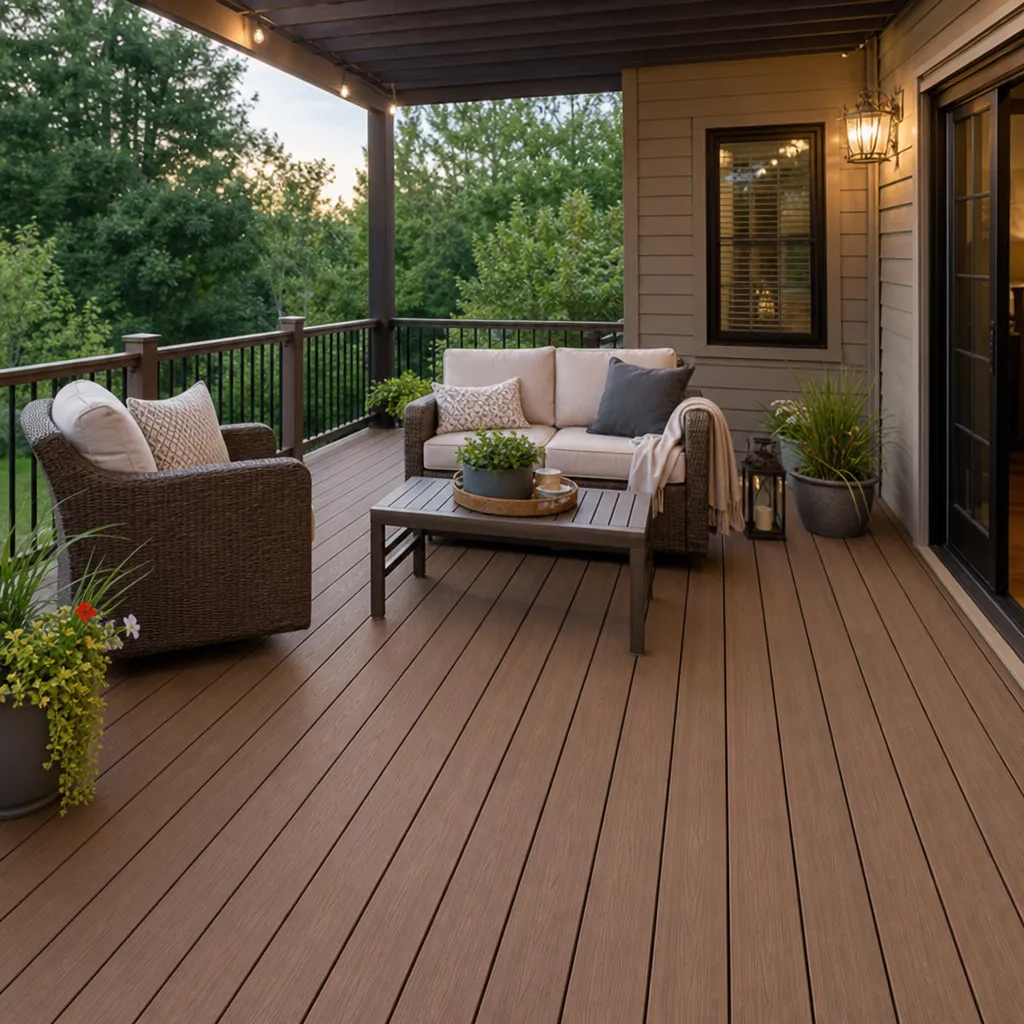
Before diving into aesthetics and costs, it helps to understand what actually goes into a composite lumber deck. The manufacturing process relies on a unique wood plastic composite composition—typically a durable blend of recycled wood fibers (like sawdust) and plastic film (like recycled grocery bags).
This creates synthetic lumber for decks that is highly durable, rot-resistant, and visually appealing. Because many manufacturers use up to 95% recycled materials, it is also a fantastic choice for environmentally conscious homeowners seeking eco friendly recycled decking.
Understanding Your Material Options
When exploring composite deck boards, you will quickly encounter a few key industry terms that dictate the board’s quality and performance.
- Capped vs uncapped composite boards: Uncapped boards were the original industry standard, offering basic weather protection. However, modern capped boards feature a tough, protective polymer shell on one to four sides. This cap significantly improves stain and fade resistance, making it crucial for preventing deck mold growth.
- Composite vs pvc decking: While standard composite wood contains organic wood fibers, PVC (polyvinyl chloride) decking is 100% plastic. PVC is lighter and entirely impervious to water, making it ideal for marine environments. Both are excellent choices, but your specific climate and budget will dictate the ultimate winner.
Sizing Up Your Decking Boards
To minimize construction waste and unsightly seams, you need to choose the right lengths and structural profiles. Standard decking boards are generally available in multiple sizes to fit different frame layouts. You can typically purchase a 12ft composite decking board, a 16 ft composite decking board, or even extra-long 20 ft composite deck boards for expansive, seamless runs.
When it comes to thickness and width, standard profiles mimic traditional lumber. You might need a robust 2×6 composite decking board for structural stair treads or 2×4 composite lumber for sturdy railing components.
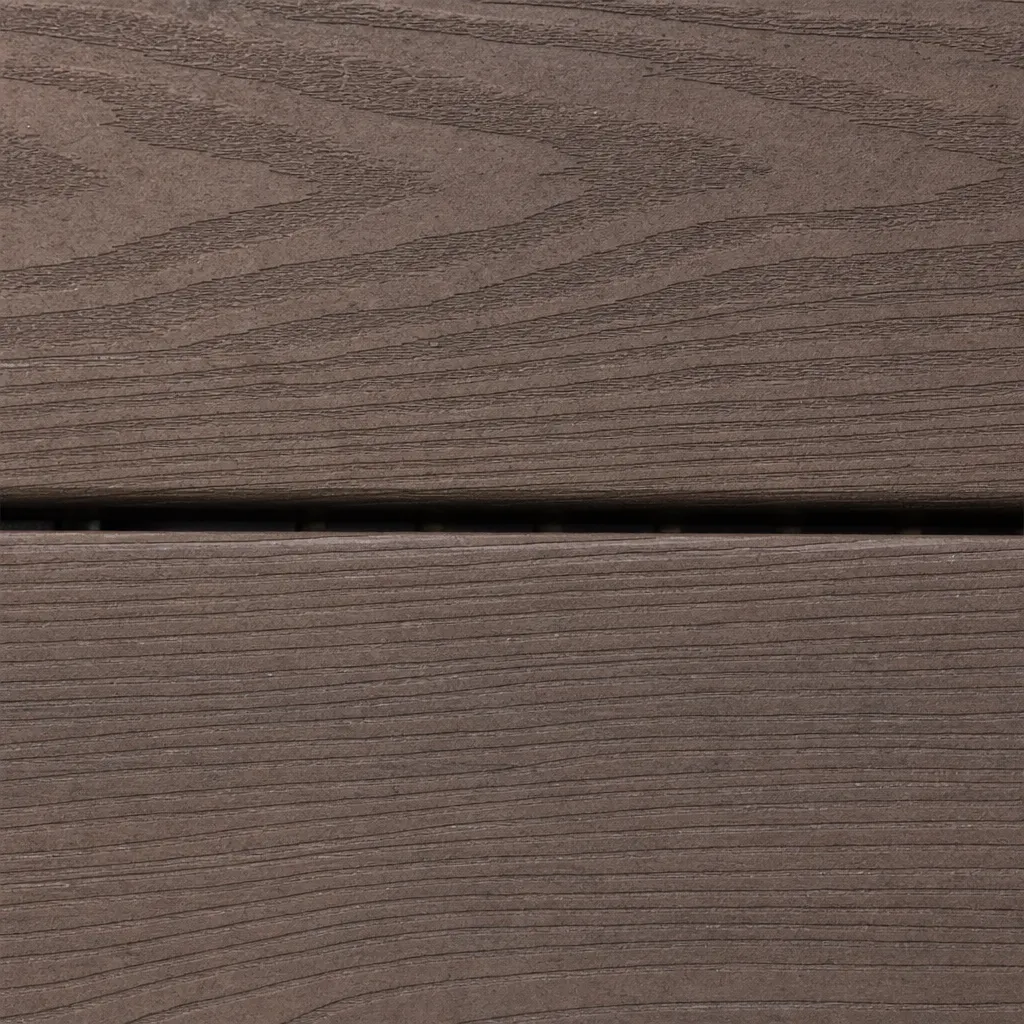
Aesthetics also play a huge role in your choice. Today’s advanced manufacturing allows for realistic wood grain patterns that rival real exotic timber. While warm earth tones are endlessly popular, sleek white composite deck boards are currently trending for coastal and modern home designs. For a perfectly flush, seamless surface, consider using tongue and groove composite deck boards which interlock beautifully to hide gaps.
Decoding the Costs: How Much is Composite Decking?
One of the most common questions homeowners ask is, “how much is composite decking?” The truth is, composite decking prices vary wildly based on quality, geographic locati0n, and specific features.
When calculating your overall composite wood decking cost, remember that key composite decking price factors include the thickness of the polymer cap, the complexity of the wood grain, and whether the board’s core is solid or scalloped (hollow). So, when people ask, “how much is composite deck boards?” the answer usually ranges anywhere from $30 to $80+ per board.
If you are on a strict budget, you are likely looking for the cheapest composite decking material. A scalloped, hollow-bottom board is typically the cheapest composite decking option available. To find cheap composite decking or cheap composite lumber without sacrificing quality, look out for a composite decking clearance sale at major home improvement stores at the end of summer, or ask suppliers about older product lines that are being phased out. Ultimately, your total composite decking cost will depend heavily on your deck’s square footage and the brand you select.
Top Brands and Where to Source Them
Not all decking deck boards are created equal. Researching different composite decking brands is vital to ensuring a long-lasting build. You’ll want to look into industry leaders when comparing brands of composite decking materials, as well-known manufacturers have spent decades refining their chemical formulas to prevent warping and fading.
So, where to buy composite decking? Local lumberyards, big-box hardware stores, and specialized online retailers are all great starting points. If you’re wondering where to buy composite lumber in bulk, consulting with a local deck contractor can sometimes grant you access to trade-exclusive wholesale pricing.
Essential Performance Features to Look For
Choosing the right board means looking well beyond just the color. Keep these critical performance metrics in mind while shopping:
- Durability and Wear: Look for the best scratch resistant deck boards if you have large dogs with sharp claws or plan to frequently move heavy metal patio furniture.
- Temperature Control: In sunny climates, composite decking heat absorption is a very real concern. Lighter colors naturally stay cooler, but premium brands also integrate specialized heat-mitigating technology into their boards.
- Safety: Always check slip resistant decking ratings to ensure your outdoor space remains safe when wet, especially if you are building around a pool or hot tub.
- Sun Protection: High uv resistance for decking ensures your deck’s vibrant color won’t turn dull and gray after a few harsh summers.
Installation, Longevity, and Upkeep
One of the biggest selling points of composite lumber is its incredible lifespan. How long composite decking lasts can easily exceed 25 to 30 years with proper care. To protect your investment, conducting a thorough composite deck warranty comparison before buying is highly recommended. Look for comprehensive warranties that cover not just structural integrity, but also long-term fading and staining.
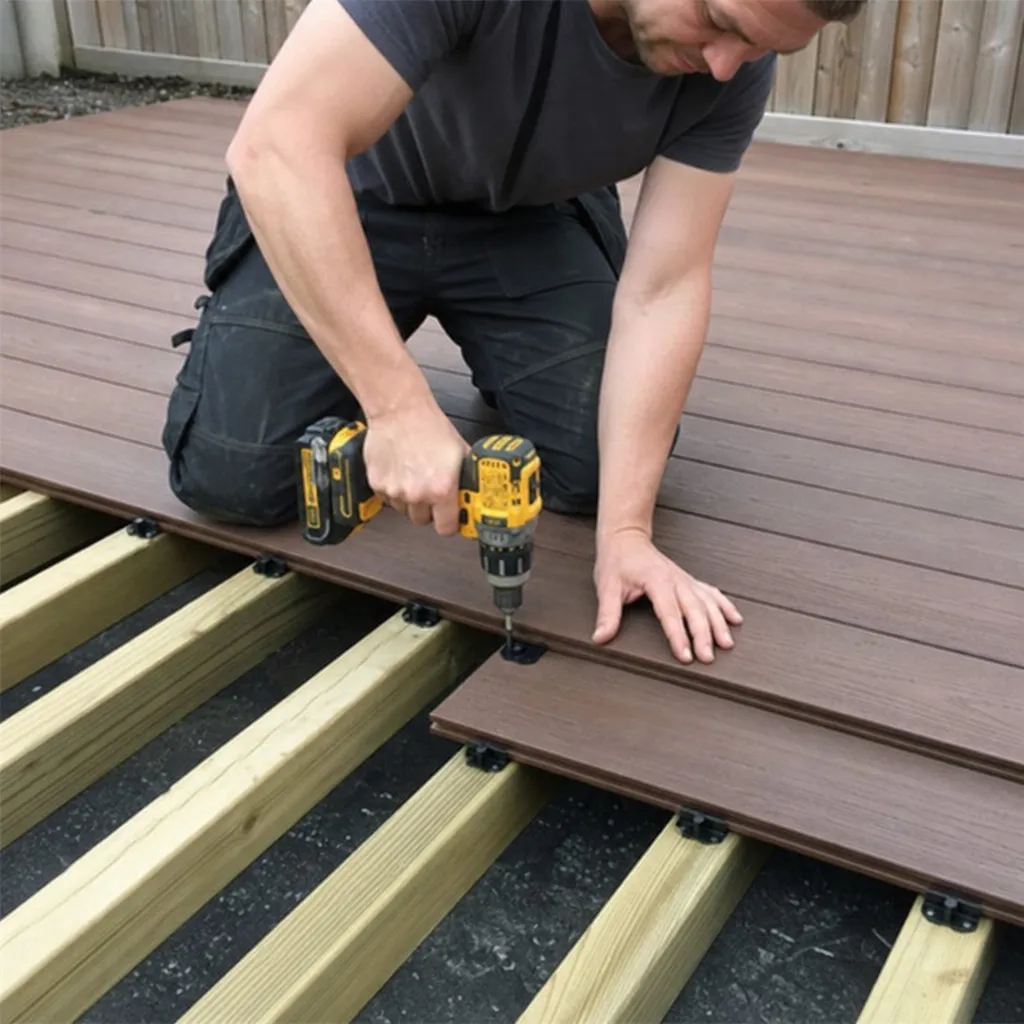
For installation, avoid face-screwing the boards if possible, as standard screws can leave a speckled, unfinished look. Opting for a hidden fastener system installation creates a perfectly smooth, barefoot-friendly surface that looks incredibly high-end.
Finally, while it’s touted as low-maintenance, no outdoor surface is truly no-maintenance. Cleaning and maintaining composite decks is delightfully simple, though. A semi-annual wash with warm soapy water and a soft-bristle brush is usually all it takes to clear away pollen and dirt, keeping your deck looking brand new year after year.
The Bottom Line
Investing in a composite deck transforms your backyard into a permanent, luxurious vacation spot. By understanding the types of materials available, tracking down the best prices, and prioritizing lifestyle features like scratch and heat resistance, you’ll be perfectly equipped to build the outdoor oasis of your dreams. Take your time, order physical samples, and choose a board that fits both your budget and your vision.