The right accessories can make every room feel more personal, polished, and useful without requiring a full renovation. This list brings together creative, practical home decor ideas for living rooms, kitchens, bedrooms, bathrooms, entryways, and entertaining spaces, with a mix of modern home accessories, DIY projects, and handmade touches. Use these ideas as a room-by-room guide to refresh what you already own, fill awkward corners, and add character where your home feels unfinished.
How do you choose home accessories that fit every room?
Choose accessories by balancing function, scale, texture, and personality. A beautiful object works best when it supports how the room is used: a tray that controls coffee-table clutter, a mirror that brightens a hallway, or a wall hook that keeps daily essentials within reach. Before buying or making anything, look at what the room needs most: warmth, storage, color, lighting, softness, or a stronger focal point.
A simple way to edit your ideas home accessories list is to group each option into one of three roles:
- Functional pieces, such as baskets, trays, hooks, lamps, shelves, and organizers.
- Decorative accents, such as vases, sculptures, framed art, candles, and objects with interesting shapes.
- Personal details, such as handmade home accessories ideas, travel finds, family photos, heirlooms, or DIY home accessories that reflect your taste.
When a room has all three, it usually feels layered instead of crowded. Keep the color palette consistent from space to space, but change materials and shapes so each room still has its own mood.
1. Statement trays create instant order
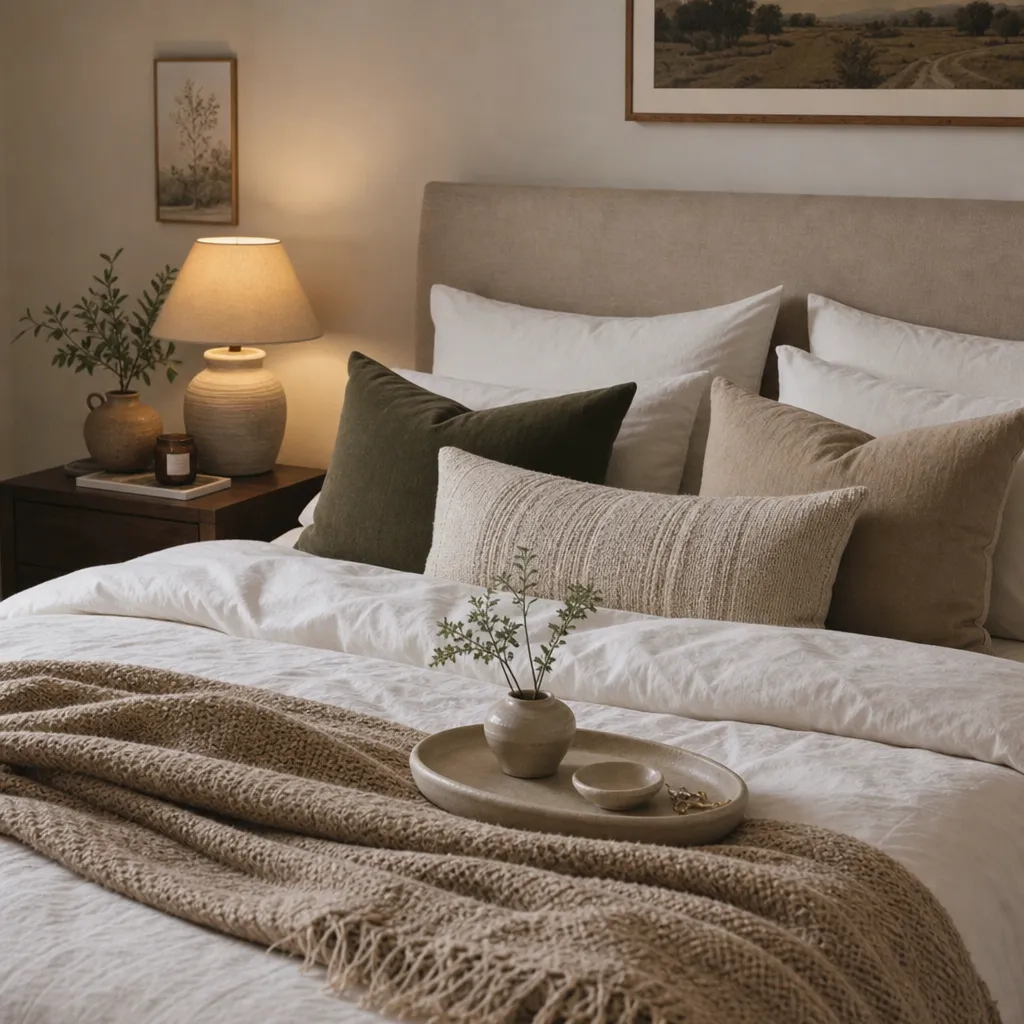
A tray is one of the easiest accessories to use in almost any room. In the living room, it gathers remotes, candles, coasters, and small decorative objects so the coffee table looks intentional. In the bedroom, it can hold perfume, jewelry, a small vase, or the book you are currently reading.
For a modern look, choose a tray in wood, stone, metal, acrylic, or matte ceramic. If you prefer diy home accessories ideas, update a plain tray with peel-and-stick tile, painted edges, leather handles, or a stenciled pattern. The trick is to leave some negative space on the tray so it feels styled, not stuffed.
2. Layered lighting changes the atmosphere
Lighting is not just practical; it is one of the most powerful home decor ideas for changing how a space feels. Instead of relying on one overhead fixture, add smaller light sources at different heights. A floor lamp can soften a dark corner, a table lamp can make a console feel complete, and a plug-in wall sconce can give a rental-friendly bedroom a custom look.
Look for shades and bases that add texture, such as linen, rattan, smoked glass, brushed brass, or matte black metal. Handmade home accessories ideas work beautifully here too: try a painted lampshade, a beaded pull chain, or a thrifted lamp base refreshed with spray paint. Warm bulbs help rooms feel cozy, especially in bedrooms, dining spaces, and living rooms.
3. Wall hooks turn blank space into useful design
Hooks are small, affordable, and surprisingly decorative. Use them in entryways for bags and jackets, in bathrooms for robes and towels, in kitchens for aprons, or in bedrooms for hats and accessories. They are especially helpful in smaller homes because they turn vertical space into everyday storage.
For trendy home accents, mix sculptural hooks with natural materials like wood, brass, leather, or ceramic. A row of identical hooks feels clean and modern, while a mix of vintage or handmade hooks feels collected and charming. If the wall space is narrow, install two or three hooks vertically instead of horizontally.
4. Decorative baskets add texture and storage
Baskets are ideal when you want a room to feel warmer but still need practical storage. Use a large basket in the living room for blankets, a smaller one in the bathroom for rolled towels, or a handled basket near the door for shoes, scarves, or pet supplies. They also soften rooms that have many hard surfaces.
Choose woven seagrass, jute, rope, cane, or felt depending on the style of the room. For a DIY update, add tassels, leather labels, painted bands, or fabric liners. Baskets are especially useful because they hide visual clutter while adding a relaxed, handmade quality.
5. Mirrors brighten and expand tight areas
A mirror can make an entryway, hallway, bathroom, or small bedroom feel more open. It reflects light, adds shape to the wall, and gives you a practical spot for a quick check before leaving the house. Round mirrors soften sharp furniture lines, while arched or irregular mirrors can feel more artistic.
For modern home accessories, try thin metal frames, frameless organic shapes, or wood frames with a natural finish. In a small room, place a mirror opposite or near a window to make the most of daylight. In an entryway, pair it with a slim shelf, hooks, and a small bowl for keys.
6. Plants bring life to every room
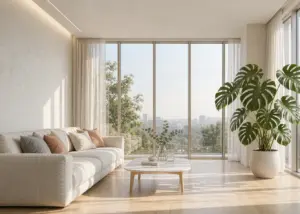
Plants are classic home accessories because they add color, texture, and movement without overwhelming a room. A tall plant can fill an empty corner, trailing greenery can soften a shelf, and small potted herbs can make a kitchen feel fresh. If natural light is limited, use realistic faux stems or dried botanicals instead.
Planters make the biggest style difference. Terracotta feels earthy, ceramic feels polished, metal feels sleek, and woven plant baskets feel relaxed. You can also create DIY home accessories by painting plain pots, wrapping planters in rope, or grouping mismatched containers in a shared color palette.
7. Pillow combinations refresh living rooms and bedrooms
Pillows are one of the fastest ways to change a room’s mood by season, color, or trend. In a living room, they can connect the sofa to artwork, rugs, or curtains. In a bedroom, layered pillows make the bed look finished even when the rest of the room is simple.
Mix pillow sizes and textures rather than using identical sets. Try linen with velvet, boucle with cotton, or a patterned pillow next to a solid one. If you enjoy handmade home accessories ideas, sew covers from vintage fabric, tea towels, or leftover upholstery material. Pillow covers are also easy to store, making them more flexible than bulky decor pieces.
8. Shelves become personality displays
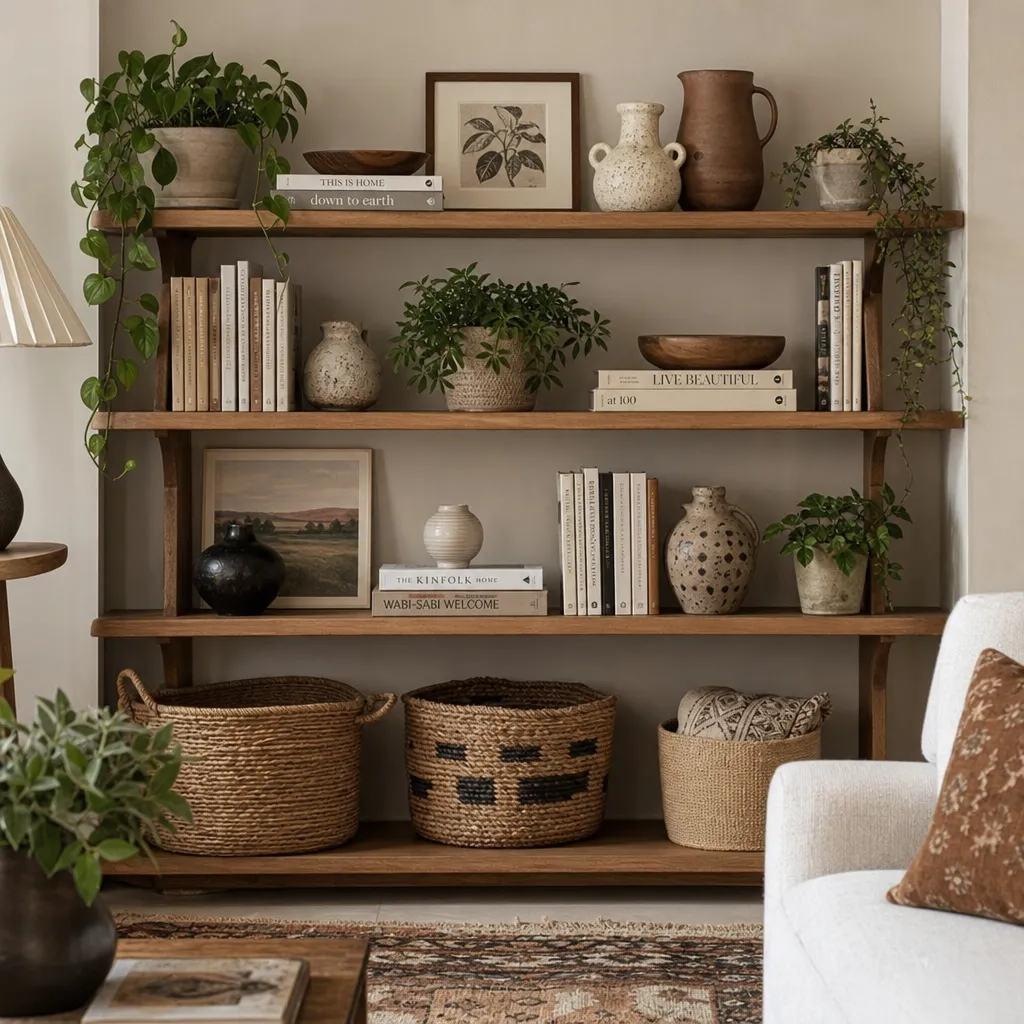
Shelves work best when they combine storage with storytelling. Books, small art, framed photos, plants, ceramics, baskets, and sculptural objects can all share the same shelf if you vary height and spacing. The goal is not to fill every inch, but to create a rhythm that guides the eye.
Start with larger items first, then add medium pieces, then finish with small accents. Stack a few books horizontally to lift a tiny object, lean framed art behind a vase, and repeat one or two colors across the shelf. This is a great place for diy home accessories because small handmade pieces can stand out without taking over the room.
9. Kitchen counter accents make daily routines prettier
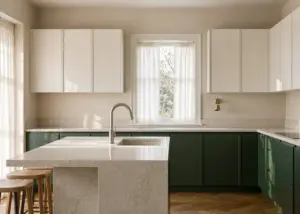
Kitchen accessories should earn their place because counters can get crowded quickly. Focus on items you use often: a utensil crock, a cutting board, a fruit bowl, a small lamp, a spice tray, or a ceramic jar for coffee supplies. When practical pieces look good together, the kitchen feels styled even during a busy week.
Wood boards add warmth, glass jars create order, and stone or ceramic bowls add weight. Keep one small “station” for the items you reach for daily, such as olive oil, salt, pepper, and a spoon rest. This approach makes the kitchen more efficient while still adding trendy home accents.
10. Bathroom details create a spa-like feel
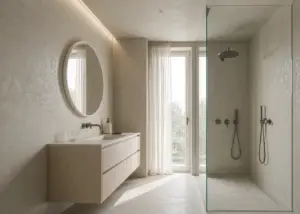
Bathrooms often feel plain because the main fixtures are fixed and functional. Accessories can change that quickly. Add a wooden stool, a ceramic soap dish, a soft bath mat, a small framed print, a candle, or a bundle of eucalyptus near the shower.
Use containers to make everyday items look intentional. Cotton swabs, bath salts, hair clips, and skincare can be stored in jars, boxes, or lidded baskets. For a handmade touch, pour liquid soap into a reusable glass dispenser, add a small plant, or frame simple artwork that can handle the room’s humidity.
11. Entryway accessories set the tone
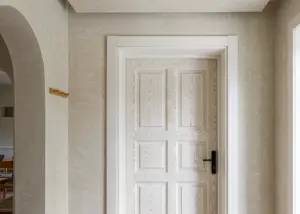
The entryway is the first impression of your home, even if it is only a small wall by the door. A mirror, tray, bowl, bench, umbrella stand, or row of hooks can make the space feel welcoming and organized. The best entryway accessories solve a real problem: dropped keys, scattered shoes, missing bags, or nowhere to set mail.
If space is tight, choose vertical storage and slim profiles. A narrow console, floating shelf, or wall-mounted organizer can do a lot without blocking the walkway. Add one decorative accent, such as a vase of branches or a small framed print, so the area feels styled rather than purely utilitarian.
12. Home bar accents make entertaining feel special
Home bar accessories ideas can work for a full bar cart, a dining-room cabinet, or one styled tray on a sideboard. Start with the basics: glassware, a shaker, bottle opener, cocktail napkins, coasters, and a small bowl for citrus or garnishes. Then add personality with a framed print, sculptural ice bucket, decanter, or unique stirrers.
For a modern setup, keep the palette tight and choose a few high-impact pieces instead of crowding the surface. If you prefer DIY home accessories, label bottles with handwritten tags, make your own citrus garland, or line a tray with patterned paper under glass. Even a non-alcoholic drink station can feel festive with sparkling water, syrups, herbs, and pretty glasses.
13. Handmade art adds a personal focal point
Art does not need to be expensive to feel meaningful. Handmade pieces can bring warmth and individuality to blank walls, especially when they repeat colors already found in the room. Try simple canvas painting, pressed botanicals, fabric in a frame, woven wall hangings, clay ornaments, or a gallery wall of personal photos.
The key is presentation. Use matching frames for a clean look, oversized mats for a gallery feel, or a consistent color story if the pieces are different styles. Handmade art works especially well in bedrooms, hallways, nurseries, home offices, and reading corners where personal detail matters.
14. Small scent and sound details finish the mood
The most memorable rooms often engage more than the eye. Candles, reed diffusers, incense holders, oil warmers, wind chimes, small speakers, or tabletop fountains can change how a room feels as soon as you enter. Use these accessories with restraint so they support the atmosphere instead of overwhelming it.
Choose scents by room: fresh and clean for bathrooms, herbal or citrus for kitchens, soft and warm for bedrooms, and subtle woods or florals for living areas. Sound can be just as important, especially in workspaces, reading corners, and entertaining zones. A small speaker tucked onto a shelf can make the room feel more inviting without becoming a visual distraction.
Where should you start if the whole home needs a refresh?
Start with the room you use most or the spot that frustrates you every day. A full-home update can feel expensive and overwhelming, but accessories let you make visible progress one surface, wall, or corner at a time. Choose one functional fix, one decorative accent, and one personal detail for that area before moving to the next room.
Use this quick checklist to keep the process focused:
- Pick a consistent color palette for the whole home.
- Remove accessories that feel damaged, dated, or out of place.
- Reuse what you already own in a different room.
- Add texture before adding more color.
- Mix store-bought pieces with DIY or handmade accents.
- Leave open space so each accessory can be noticed.
- Repeat materials, such as wood, brass, glass, linen, or ceramic, for flow.
Creative accessories work best when they support real life. Whether you choose modern home accessories, budget-friendly DIY projects, or small handmade details, the goal is to make each room feel more useful, comfortable, and unmistakably yours.