Choosing the right floor is one of the few renovation decisions that touches every single room in the house. Get it wrong and you live with squeaks, cold feet, or water damage for years. Get it right and the whole home feels coherent, cleans easily, and holds its value. This guide walks through the main flooring options available to homeowners in 2026, what each one is actually good at, and how to match materials to each room so you are not laying carpet in a bathroom or tile in a bedroom.
Flooring Options at a Glance
Before the detail, here is the short version. Five materials dominate residential flooring today: solid and engineered hardwood, rigid-core luxury vinyl (SPC and LVP), porcelain tile, laminate, and carpet. According to the 2025 Floor Covering Weekly market report, luxury vinyl plank accounted for roughly 38 percent of US residential floor sales, carpet held about 21 percent, hardwood around 14 percent, tile about 12 percent, and laminate close to 9 percent. The mix matters more than any single winner: most homes now use two or three materials across different rooms rather than one floor everywhere.
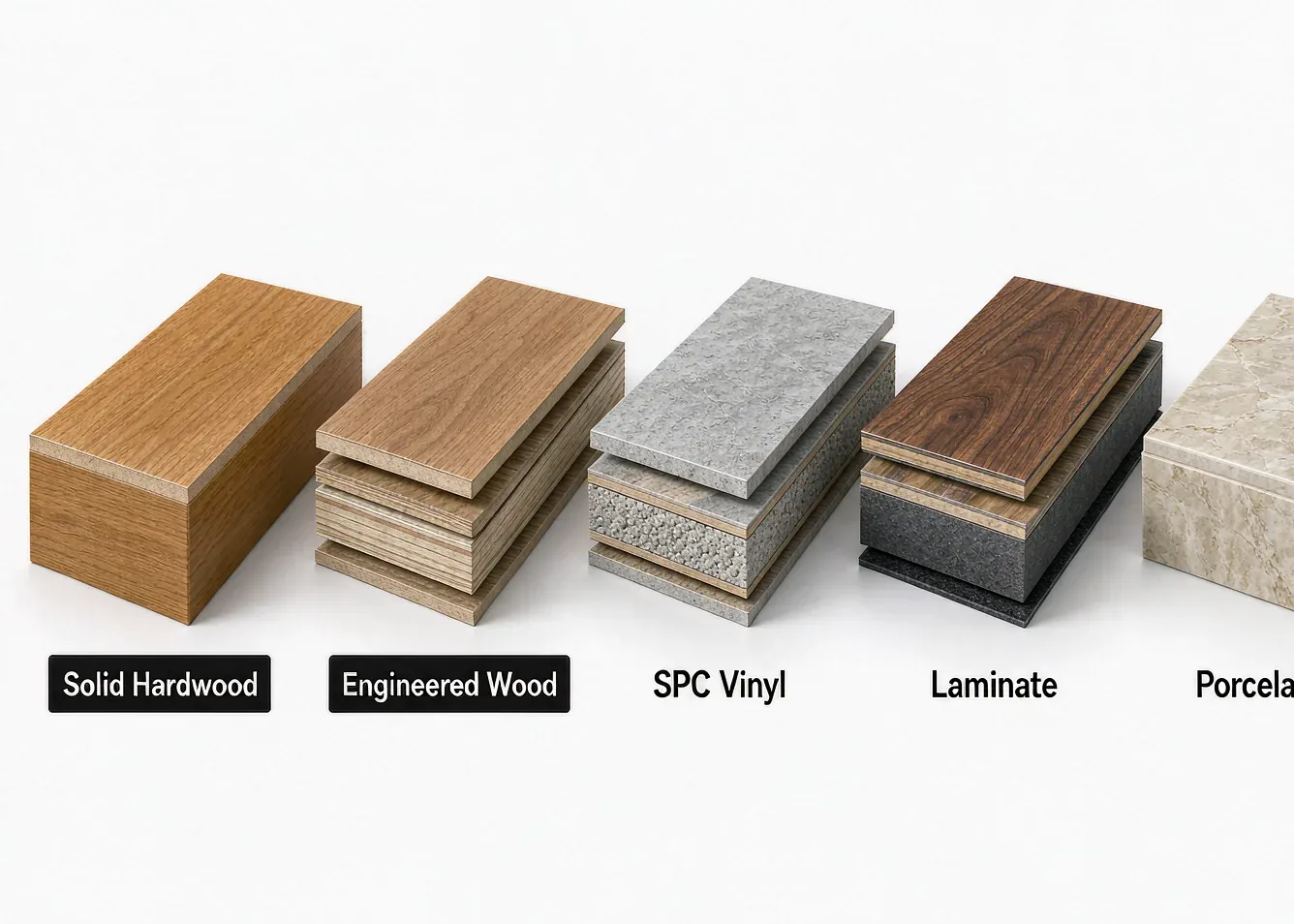
How the Layers Compare
A cross-section tells the real story. Solid hardwood is one piece of timber top to bottom and can be sanded several times. Engineered wood is a thin hardwood veneer over a stable plywood or HDF core, which makes it less prone to movement with humidity. SPC vinyl is a printed decor layer over a rigid stone-plastic composite core that is fully waterproof. Laminate is a photographic print over an HDF core, water-resistant at best. Porcelain tile is fired ceramic through and through, the densest and longest-lived of the group.
Hardwood Flooring: Solid and Engineered
Hardwood remains the reference point for warmth, character, and resale value. Real estate data shows wood flooring can return 70 to 85 percent of its cost at resale, the strongest of any category, and in higher-end markets buyers still expect it in living and dining areas.
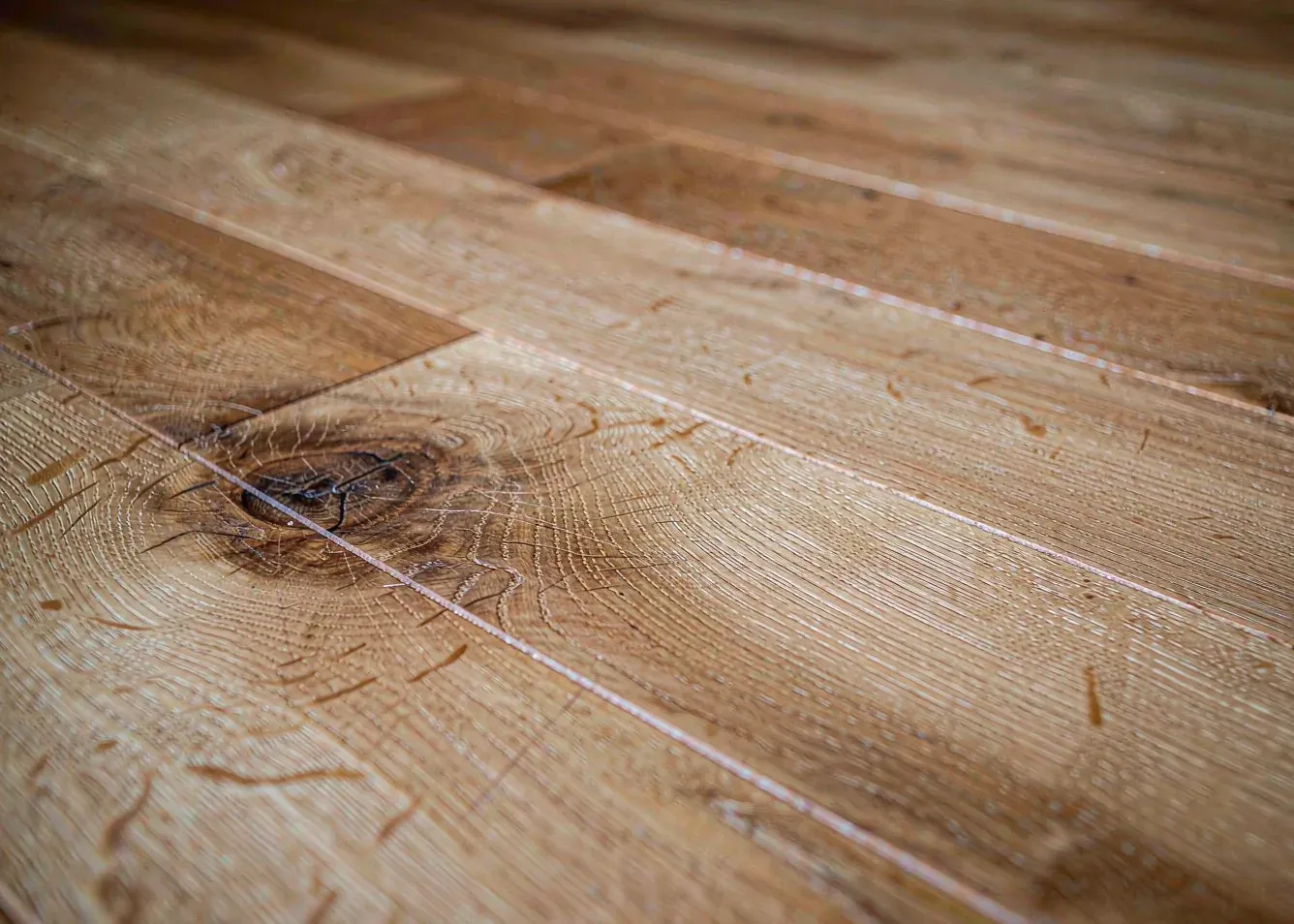
Solid vs Engineered Hardwood
Solid hardwood is 18 to 20 mm of continuous timber. It can be refinished five to seven times and lasts 30 to 50 years or more, but it moves with humidity and is not suited to slabs or basements. Engineered hardwood pairs a 2 to 6 mm real wood surface with a stable multi-layer core. It handles humidity swings of 35 to 75 percent relative humidity, works over concrete and radiant heat, and is the format most new installs now use, roughly 60 percent engineered to 40 percent solid.
Pros of Hardwood
The look is genuine and does not date. It can be refinished rather than replaced, it adds measurable resale value, and wide planks of 190 to 220 mm are the current premium standard. Acoustic and tactile quality is unmatched by any printed alternative.
Cons of Hardwood
Installed cost runs about 7 to 20 dollars per square foot depending on species and width. It is sensitive to moisture, scratches from pet claws and dropped objects, and needs humidity kept in a 30 to 50 percent range. It is the wrong choice for bathrooms, laundry rooms, and below-grade spaces.
SPC and Luxury Vinyl Plank
Rigid-core vinyl is the fastest-growing category in a generation, climbing from under 5 percent of the market in 2015 to nearly 40 percent a decade later. The driver is simple: it looks like wood or stone at arm’s length, it is 100 percent waterproof, and the click-lock format lets a homeowner floor a bedroom in a weekend.
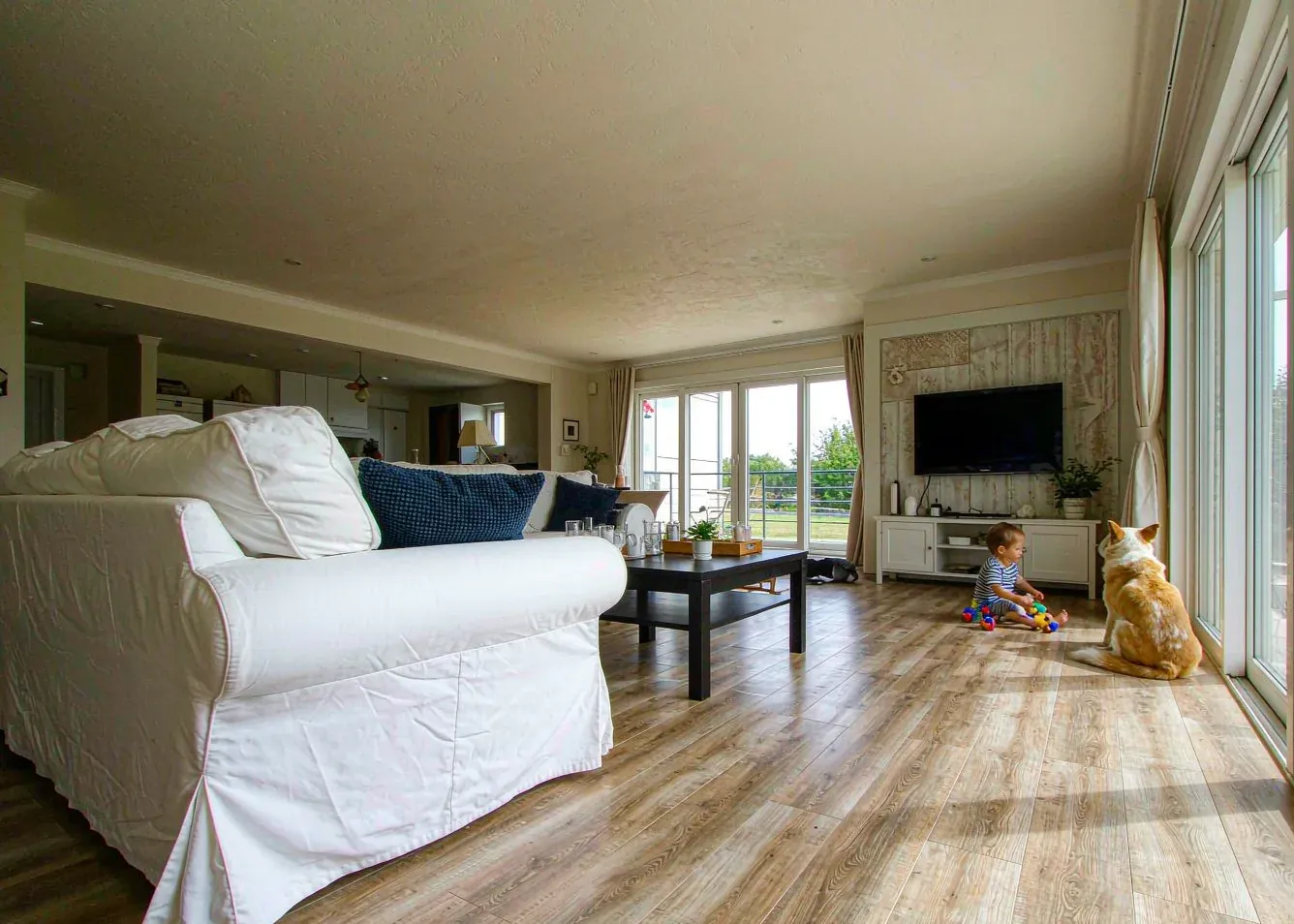
Why LVP Took Over
SPC (stone-plastic composite) and LVT (luxury vinyl tile) combine a photographic print, a wear layer, and a rigid or flexible core. Quality product carries a 0.5 mm or thicker wear layer, an attached pad, and a 15 to 25 year warranty. It installs over most existing subfloors, shrugs off dishwasher leaks, and dents only under very heavy furniture without protectors.
Pros and Cons of Vinyl
Pros are waterproofing, low maintenance, forgiving installation, and a 4 to 9 dollar per square foot installed price. Cons are that it adds less resale value than wood, can fade in direct sun without a UV-stable wear layer, and cannot be refinished. Choose a rigid SPC core rather than a thin flexible plank for better performance underfoot.
Porcelain and Ceramic Tile
Tile sits at the most-durable end of the scale. PEI 4 to 5 rated porcelain handles commercial traffic and effectively never wears out under foot. Large-format planks of 6 by 36 inches in wood-look porcelain, and 24 by 48 inch slab tiles, drove tile’s comeback in modern interiors.
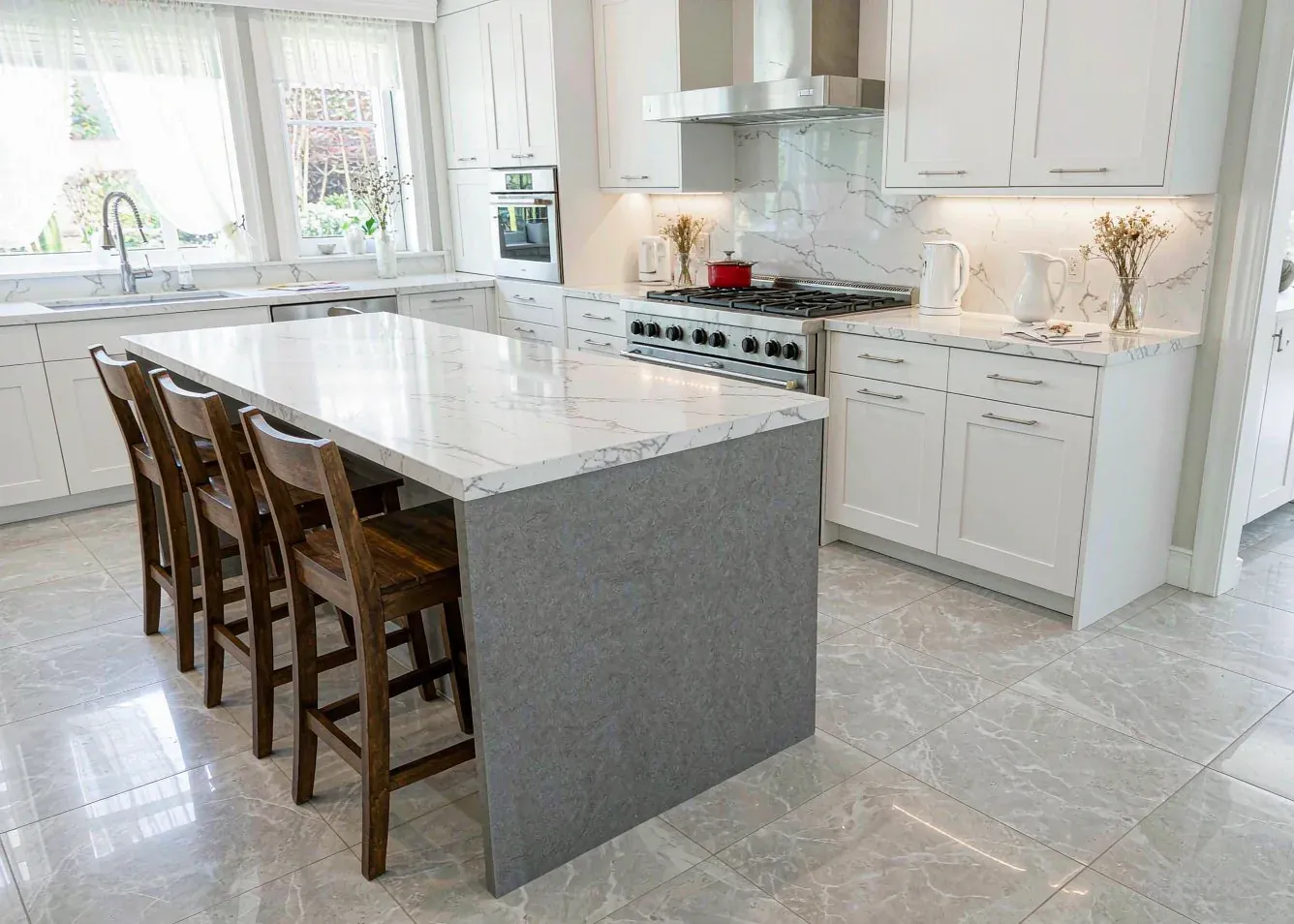
Pros and Cons of Tile
Pros include waterproofing with properly sealed grout, scratch and fade resistance, a 50 plus year lifespan, and compatibility with radiant floor heating. Cons are that it feels hard and cold without heat, labor is the most expensive of any material, and grout needs resealing every one to two years. Pair it with in-floor electric heat in bathrooms for a luxury feel.
Laminate Flooring
Laminate launched the wood-look-without-wood idea in the 1990s and held the top spot until vinyl overtook it. Modern waterproof laminates have closed much of the gap on water resistance, but the HDF core still cannot match vinyl’s flexibility over uneven subfloors.
Pros and Cons of Laminate
Pros are a 3 to 7 dollar per square foot installed price and AC4 to AC5 wear ratings that handle heavy traffic. Cons are that standard versions swell permanently from water exposure, it feels harder underfoot than vinyl, and it carries a slightly artificial sound without good underlayment. Reserve laminate for dry, light-traffic rooms or budget fix-and-flip projects.
Carpet Flooring
Carpet’s slide from dominance hides the fact that it is still the most-installed floor in American bedrooms. Modern stain-resistant nylon handles spills far better than carpet from twenty years ago, and wool blends serve noise-sensitive upper-end spaces.
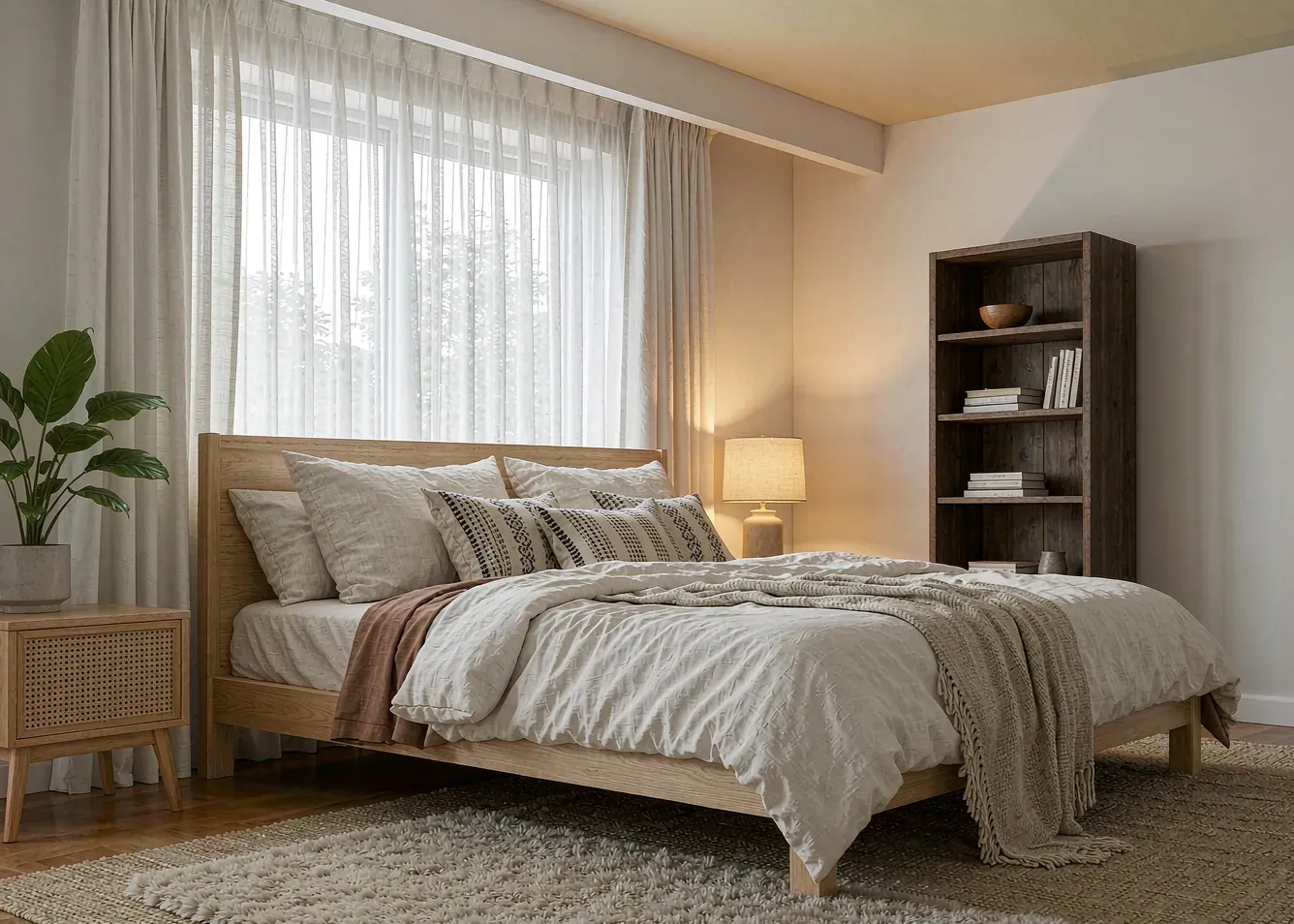
Pros and Cons of Carpet
Pros are warmth, softness underfoot, and sound dampening, at 4 to 11 dollars per square foot installed including pad. Cons are an 8 to 12 year replacement cycle, allergen buildup in the fibers, and professional cleaning every 12 to 18 months. A large area rug over hardwood or vinyl delivers most of the comfort without the downsides.
A Room-by-Room Flooring Plan
The most reliable results come from matching each room to the material that performs best there, rather than laying one floor everywhere. Below is a practical plan that works for most single-family homes.
Living Room
Engineered or solid hardwood leads here, with LVP a close second in busy or pet households. Skip wall-to-wall carpet, which dates the home for resale and traps allergens. A rug over wood or vinyl adds warmth.
Kitchen
Kitchens need waterproof floors that survive dropped cans and chair legs. Rigid SPC vinyl at 4 to 7 dollars installed is the value pick. Porcelain tile at 7 to 14 dollars is the most durable but coldest without heat. Waterproof engineered hardwood works if spills are wiped promptly. Avoid standard HDF laminate, which swells within hours of a leak.
Primary Bathroom
Porcelain tile paired with in-floor heat is the standard, at 8 to 16 dollars per square foot. Sheet vinyl with heat-welded seams is the lowest-maintenance wet-zone option. Keep hardwood and laminate out unless it is a powder room with no shower.
Bedrooms
Bedrooms see light traffic and little water, which opens softer options. Plush carpet at 4 to 8 dollars is warm and quiet. Engineered hardwood at 6 to 11 dollars is easier to clean and allergy-friendly. LVP with an area rug is the durable-comfort compromise, especially for kids’ rooms.
Entryway and Mudroom
The floor inside the front door takes more abuse than any other room. Slip-resistant porcelain tile with a DCOF above 0.42 is the standard at 8 to 14 dollars per square foot. For mudrooms with a sink, sheet vinyl or LVP with sealed seams handles standing water. A heavy entry mat does the rest.
Basement
Basements sit on concrete that wicks vapor over time, so moisture is always a factor. Waterproof LVP with attached underlayment at 4 to 7 dollars handles typical humidity. Polished or stained concrete at 4 to 10 dollars embraces the slab. Carpet directly on concrete is a mold risk; if you want softness, build a subfloor panel first.
Stairs and Hallways
Hardwood or LVP stairs resist the dragging traffic that destroys carpeted stairs within five years. Custom stair-nose pieces add roughly 35 to 60 dollars per tread. Match the hallway floor to adjacent rooms so the run feels continuous and avoids transition strips. For the parts that make up a staircase and how they fit together, see our guide to the parts of a staircase.
How Much Does New Flooring Cost
Whole-house flooring averages about 7 to 12 dollars per square foot all-in for a 2,000 square foot home, putting typical projects in the 14,000 to 24,000 dollar range. Budget roughly 60 percent for material, 35 percent for labor, and 5 percent for transitions, trim, and subfloor prep. Order 10 percent extra material in the same dye lot so a later repair does not force a full-room replacement.
Flooring and Your Whole Home Package
Flooring is only one layer of a finished house. It meets the wall through aluminum windows and doors, sets the tone for your interior design style, and pairs with microcement coatings for a seamless modern look. If you are specifying floors as part of a larger build, our new house solutions and building supplies pages cover how materials are sourced and coordinated, and our whole house renovation checklist lays out the right order of work.
Frequently Asked Questions
What is the best flooring for resale value
Engineered or solid hardwood in living and dining areas returns the most at resale, often 70 to 85 percent of cost in mid to high-end markets. Waterproof LVP is the smart pick for entry-level and family homes where pets and spills matter more than premium appeal.
Is SPC vinyl really waterproof
Yes. The stone-plastic composite core does not absorb water, so spills and leaks sit on the surface rather than swelling the board. Only the seams and subfloor beneath need attention, which is why proper installation matters.
Can I install flooring myself
Click-lock LVP and laminate are the most DIY-friendly, often completed in a weekend for a single room. Tile, hardwood, and anything needing subfloor leveling are best left to pros, both for warranty and for a flat, quiet result.
Which flooring is best for pets
Rigid SPC vinyl leads for pets: it resists scratches better than many surfaces, is fully waterproof against accidents, and is easy to clean. Tile is equally tough but harder and colder. Avoid carpet in pet zones where odors and stains accumulate.
How long does each flooring type last
Porcelain tile lasts 50 plus years, solid hardwood 50 to 100 plus with refinishing, engineered wood 20 to 50 years, SPC vinyl 15 to 30 years, laminate 10 to 15 years, and carpet 8 to 12 years before replacement.