Every year the way we live inside our homes shifts a little, and 2026 is no exception. After a decade of cool grays and stark open-concept everything, homeowners are trading impersonality for warmth, personality, and a deeper connection to nature and technology. Below we break down the modern interior design trends 2026 that our design-build team at George Design & Construction is already specifying for clients across the US, Australia, and the Middle East.
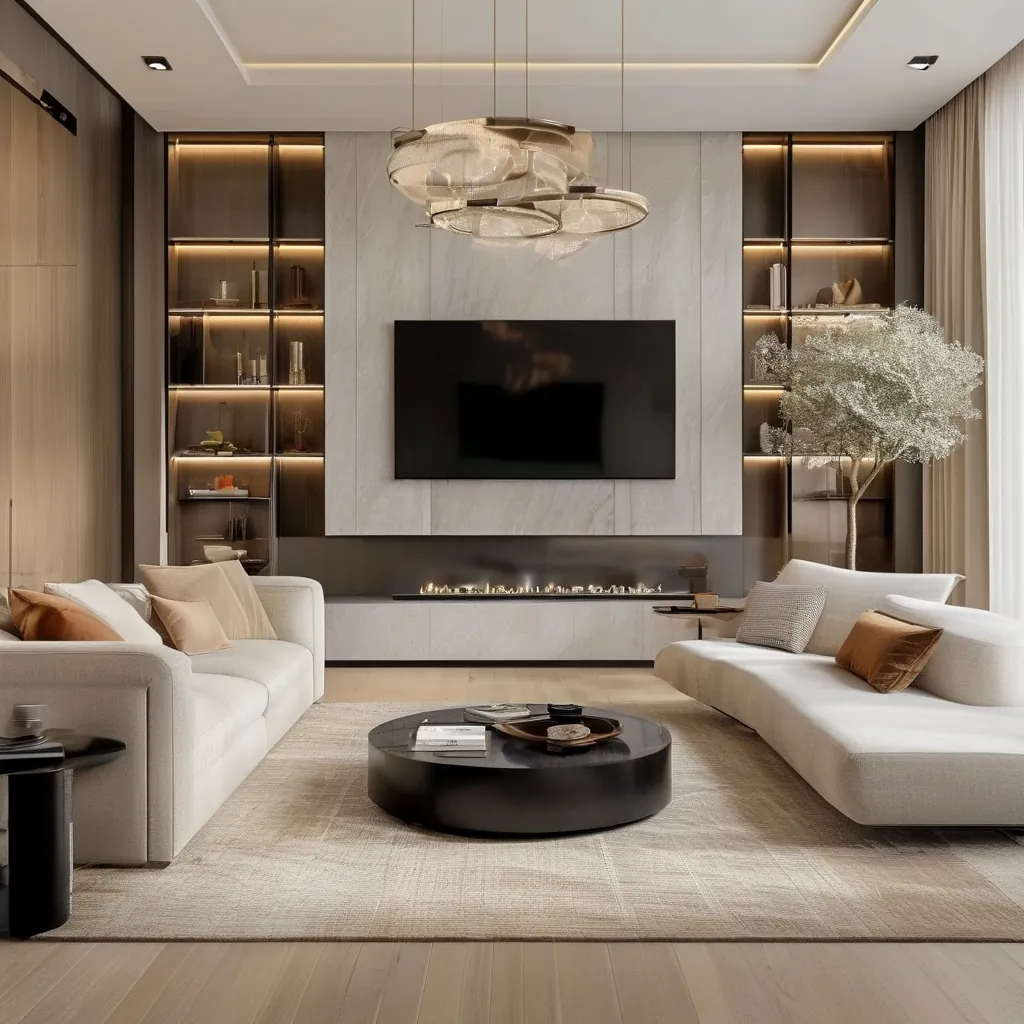
Table of Contents
- 1. Warm Minimalism & Quiet Luxury
- 2. Biophilic & Nature-Inspired Spaces
- 3. Earthy, Grounded Color Palettes
- 4. Curved & Organic Forms
- 5. Smart, Connected & Efficient Homes
- 6. Sustainable & Recycled Materials
- 7. Layered & Statement Lighting
- 8. Flexible, Multifunctional Spaces
- Frequently Asked Questions
1. Warm Minimalism & Quiet Luxury
The “less but better” philosophy is maturing. Instead of clinical white boxes, 2026 minimalism leans on tactile, natural materials — limewash plaster, oak, travertine, and bouclé — to create spaces that feel curated rather than empty. The goal is quiet luxury: understated, high-quality, and unmistakably expensive without a single logo in sight.
In practice this means fewer, larger furniture pieces, hidden storage that swallows clutter, and a restrained palette of two or three complementary tones. If you are planning a full interior redesign, this is the safest direction to invest in — it ages gracefully and rarely looks dated.
2. Biophilic & Nature-Inspired Spaces
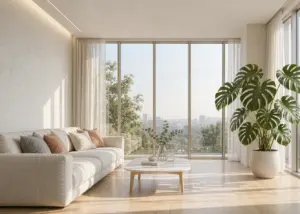
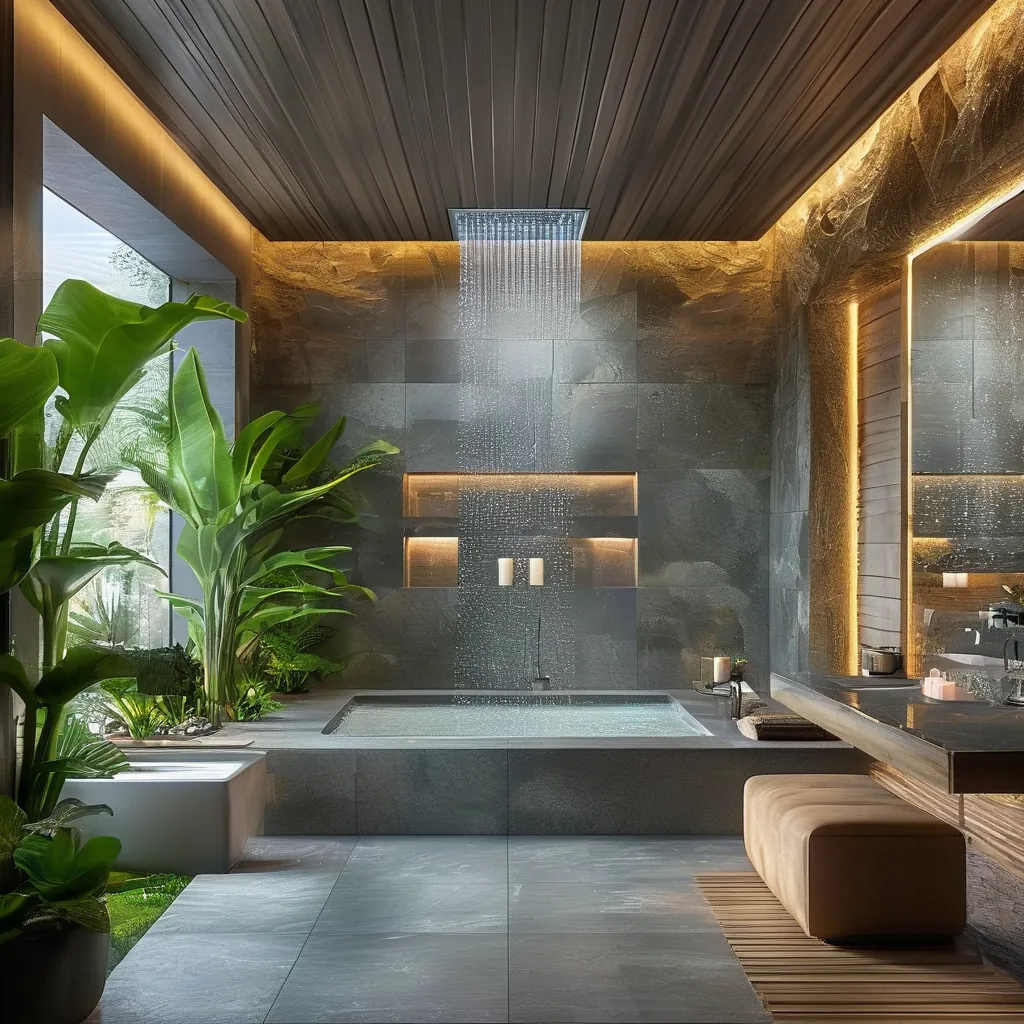
Biophilic design — the practice of connecting interiors to nature — has moved from wellness niche to mainstream expectation. Expect more indoor gardens, large operable windows, living green walls, and water features that double as art. Natural light is treated as a material in its own right.
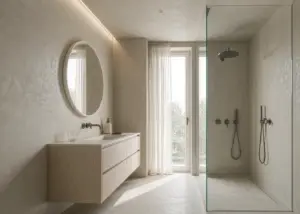
This trend shows up beautifully in wet rooms. A luxury bathroom renovation in 2026 often pairs honed stone, warm wood vanities, and abundant planting to feel like a private spa rather than a utility room.
3. Earthy, Grounded Color Palettes
Gray is finally stepping back. The 2026 palette is built on clay, terracotta, olive, oat, and warm taupe — colors that read as calm and organic. Deep, saturated accents (plum, forest green, burnt amber) are used sparingly to anchor a room.
Paint is the cheapest way to test a trend. Start with an earthy neutral on walls and layer in color through textiles and art so you can refresh the look without a full renovation.
4. Curved & Organic Forms
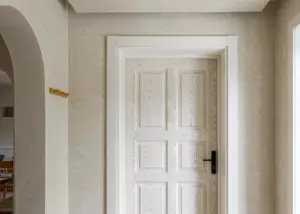
After years of right angles, softness is back. Arched doorways, rounded sofas, oval dining tables, and sculptural lighting soften the architecture and make spaces feel more hospitable. Curves also photograph beautifully, which matters for anyone listing a home or running a short-term rental.
5. Smart, Connected & Efficient Homes
Smart home tech in 2026 is invisible until you need it. Lighting, climate, and security integrate behind the scenes, controlled by a single app or voice. Energy efficiency is no longer optional — heat-pump HVAC, smart thermostats, and automated shading are becoming baseline expectations for new builds.
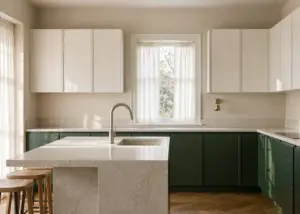
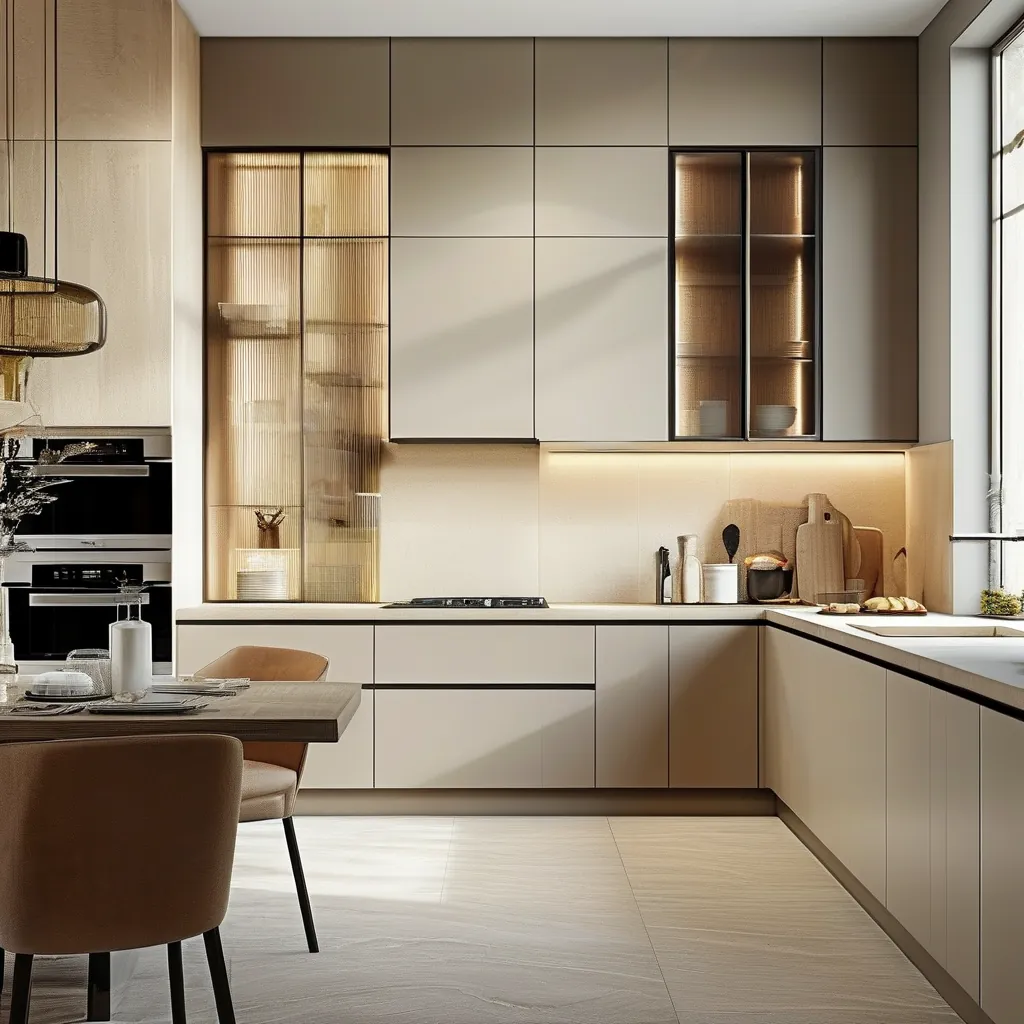
A modern kitchen design now routinely hides charging drawers, under-cabinet task lighting, and app-controlled appliances behind a seamless facade.
6. Sustainable & Recycled Materials
Homeowners increasingly ask where materials come from. Reclaimed timber, recycled glass countertops, low-VOC finishes, and rapidly renewable materials like cork and bamboo are in high demand. Durability is the new sustainability — buying once beats buying green and replacing it in three years.
For a deeper dive into eco-conscious building, our new house solutions team specifies materials with full lifecycle in mind, from sourcing to end-of-life.
7. Layered & Statement Lighting
Ceiling flats are out; layered lighting is in. A well-designed room combines ambient, task, and accent light, often anchored by one sculptural pendant or chandelier that acts as jewelry for the space. Warm dimmable LEDs (2700–3000K) keep everything flattering after dark.
8. Flexible, Multifunctional Spaces
Post-pandemic floor plans still flex between work, rest, and play. The 2026 home includes rooms that shift purpose — a guest room that is also a gym, a dining nook that becomes a workspace, a landing that becomes a reading corner. Movable partitions and built-in Murphy elements make one room do three jobs.
If you are rethinking how your home flows, our design-build services can re-plan circulation so every square meter earns its keep.
Frequently Asked Questions
What is the biggest interior design trend for 2026?
Warm minimalism — natural materials, earthy palettes, and quiet luxury — is the defining direction, with biophilic design and smart-home integration close behind.
Are gray interiors out of style in 2026?
Cool grays are fading in favor of warmer neutrals like oat, taupe, and clay. Gray is not banned, but it is being used as an accent rather than a whole-home base.
How can I update my home without a full renovation?
Start with paint in an earthy neutral, swap in layered lighting, add a few curved or organic-form pieces, and bring in plants. These low-cost moves capture most 2026 trends instantly.
Is smart-home technology worth it in a renovation?
For most 2026 renovations, yes. Invisible, app-controlled lighting and climate control add daily convenience and resale value, especially when planned during the build rather than retrofitted.
Ready to Bring 2026 Trends Into Your Home?
Trends are only useful when they fit how you actually live. Our design-build team turns inspiration into buildable, budget-aware plans — from a single room to a whole new house. Contact George Design & Construction for a consultation and let’s make your 2026 home a reality.
This trend roundup reflects specifications our team is actively using in 2026 projects. For ongoing data on what homeowners are searching for, see the annual industry research from Houzz and the National Kitchen & Bath Association.