In 2026, homeowners are trading cold minimalism for something far more alive. Biophilic design — the practice of connecting interiors with nature — has exploded into the mainstream, with searches on Houzz up 112% year-over-year. It’s no longer a niche concept for luxury eco-resorts. It’s the defining design movement of the decade, and it’s reshaping how we think about kitchens, bathrooms, bedrooms, and every room in between.
At George Design & Construction, we’ve spent 20 years helping homeowners across the globe bring their vision to life. From custom cabinetry to full-home renovation, we’ve watched biophilic principles transform ordinary spaces into sanctuaries. This guide covers everything you need to know: what biophilic design actually means, why 2026 is its breakthrough year, and how to apply it room by room — with real budgets and practical steps.
What Is Biophilic Design?
Coined by biologist Edward O. Wilson in the 1980s, biophilia literally means “love of life.” The hypothesis is simple: humans evolved in nature, and we’re hardwired to respond positively to natural environments. Biophilic design applies this science to architecture and interior spaces.
In practice, biophilic interior design means three things working together:
- Direct nature — living plants, natural light, water features, fresh air
- Natural materials — wood, stone, bamboo, clay, wool, linen, cotton
- Nature-inspired patterns — organic shapes, earth tones, textured surfaces, fractal geometries
It’s not just about putting a potted plant in the corner. Real biophilic design changes how a room feels — the quality of light, the texture underfoot, the sound of the space, even the air you breathe. When done right, studies show it reduces stress by up to 30%, improves sleep quality, and measurably boosts mood and cognitive performance (Terrapin Bright Green, “14 Patterns of Biophilic Design”).
Why 2026 Is the Year of Biophilic Design
The numbers don’t lie. Houzz’s 2026 U.S. Emerging Summer Trends Report reveals a dramatic shift toward nature-inspired interiors:
| Biophilic Trend | YoY Search Increase |
|---|---|
| “Biophilic design” | +112% |
| “Wellness room” | +164% |
| “Calming” design | +139% |
| “Sandstone” | +257% |
| “Linen wallpaper” | +104% |
| “Terracotta flooring” | +55% |
| “Limewash interior paint” | +53% |
| “Bamboo flooring” | +32% |
| “Repurposed materials” | +287% |
Three forces are driving this. First, the pandemic hangover. After years of working from home, people are deeply aware of how their environment affects their mental health. A “wellness room” isn’t a luxury — it’s seen as essential infrastructure. Second, climate anxiety. Sustainable materials and energy-efficient design aren’t just good for the planet; they help homeowners feel like they’re doing something meaningful. Third, the death of gray. The cool-toned, minimalist aesthetic that dominated 2015-2022 has officially worn out its welcome. Warm earth tones, organic textures, and living greenery feel like a relief.
6 Core Principles of Biophilic Interior Design
Based on Terrapin Bright Green’s widely adopted framework, here are the six principles that actually matter for residential projects:
1. Visual Connection with Nature
This is the most straightforward: a direct view of living plants, water, or natural landscape. Large windows, glass doors, skylights. Even a well-placed indoor tree or a living green wall counts. The key is that the view is meaningful — not just a glimpse of a neighbor’s fence.
2. Non-Visual Sensory Connections
Sound, smell, touch. The trickle of a small indoor fountain. The scent of cedar or eucalyptus. The texture of rough stone under your palm, or linen curtains brushing against your arm. These are the details that turn a house into a home.
3. Natural Light and Air
Circadian lighting design — warm light in the morning and evening, bright during the day — mimics the sun’s natural rhythm. Operable windows for cross-ventilation. Skylights in bathrooms and hallways. The goal is to reduce reliance on artificial climate control.
4. Natural Materials and Textures
Wood with visible grain. Honed stone that’s cool to the touch. Clay plaster walls with subtle color variation. Woven rattan, jute rugs, linen throws. The rule: if it could exist in nature without a factory, it belongs. Searches for “sandstone” are up 257% year-over-year — people are craving materials with soul.
5. Organic Shapes and Forms
Right angles are man-made. Nature favors curves, waves, asymmetry. In 2026, curved kitchen islands (up 123%), arched range hoods (up 177%), and scalloped tiles (up 300%) are everywhere. These soft geometries make rooms feel approachable and alive.
6. Prospect and Refuge
This principle taps into a primal instinct: we feel safe when we can see our surroundings (prospect) while being sheltered (refuge). In design, this means open-plan spaces with cozy nooks — a reading corner under the stairs, a window seat with a view, a bedroom alcove. It’s about creating both spaciousness and intimacy.
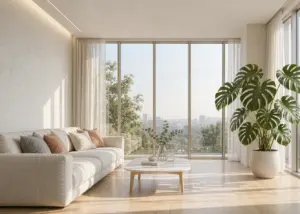
Biophilic Living Room Design
The living room is where biophilic design makes its biggest first impression. It’s the room guests see, and it’s where your family spends the most waking hours.
Start with the floor. Replace synthetic carpet with natural stone tiles, wide-plank hardwood, or bamboo flooring. Add a jute or wool area rug for warmth and texture. Next, the walls. Limewash paint (searches up 53%) creates a soft, chalky finish that shifts subtly with the light — much more interesting than flat latex. Or go bolder with a single stone accent wall in sandstone or slate.
Furniture shapes matter. Curved sofas and rounded coffee tables break the right-angle monotony of most living rooms. Choose solid wood pieces with visible grain, and avoid veneers that feel plastic. For color: rust, terracotta, sage green, mushroom — all trending in 2026.
Plants are non-negotiable. A large fiddle-leaf fig or monstera in the corner, trailing pothos on a shelf, a living green wall if space permits. The rule of thumb: one large statement plant per 150 square feet, plus smaller accents.
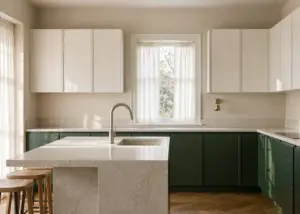
Biophilic Kitchen Design
The kitchen is where biophilic design gets practical — and 2026 is seeing some of the most dramatic kitchen transformations.
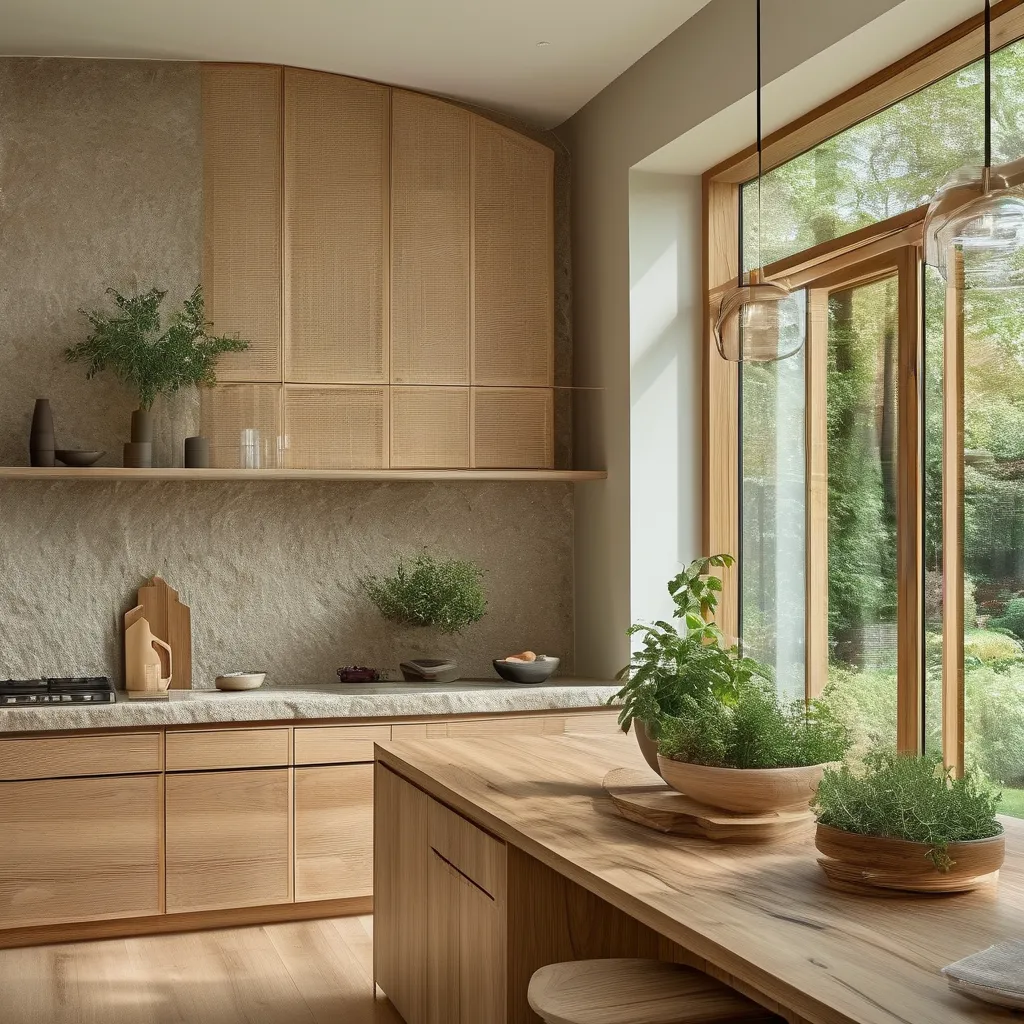
Countertops: go natural. Granite, marble, soapstone, and quartzite are biophilic favorites. But the breakout star of 2026 is recycled glass countertops — searches are up 84%. They’re durable, eco-friendly, and visually stunning with embedded glass fragments catching the light.
Cabinet fronts in warm wood. White oak, walnut, and bamboo are the top choices. Skip the high-gloss laminate. Visible wood grain adds warmth that white cabinets simply can’t match. For a budget-friendly refresh, replace just the cabinet fronts rather than the entire box.
The herb garden. A windowsill herb garden isn’t just decorative — it’s functional. Basil, rosemary, mint, chives, and thyme thrive in kitchen light and pay for themselves in weeks. For serious biophilic kitchens, consider a dedicated living wall with an integrated drip irrigation system. Cost: $500-$2,000 installed, depending on size.
Curved islands are everywhere. Searches for “curved kitchen island” rose 123% and “arched range hood” jumped 177%. These aren’t just aesthetic choices — rounded corners improve traffic flow and make the kitchen feel more inviting. Check out our kitchen renovation services for custom solutions.
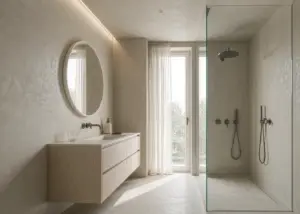
Biophilic Bathroom Design
The bathroom-as-spa trend isn’t new, but 2026 is taking it further with biophilic principles that turn a utilitarian room into a genuine sanctuary. “Spa” searches are up 68%, and “wellness room” up 164%.
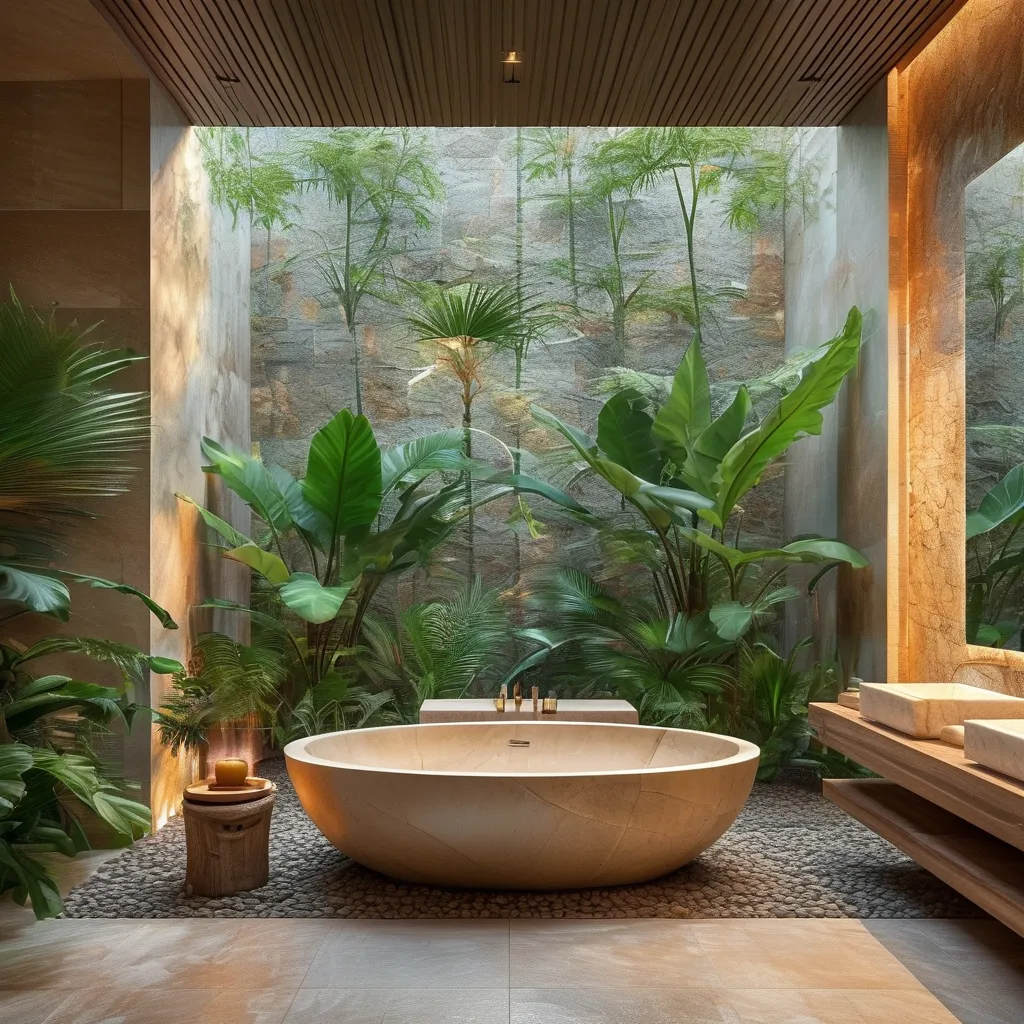
Flooring sets the tone. Pebble mosaic floors — literally walking on smooth river stones — create an instant sensory experience. Terracotta tiles (searches up 55%) bring warmth underfoot. For a dramatic look, large-format natural stone slabs in slate or travertine make the room feel like a high-end spa.
Wood vanities, not white. Teak and cedar are naturally water-resistant and add warmth that painted MDF cannot. A live-edge wood countertop on a floating vanity is 2026’s most Instagram-worthy bathroom feature. See our bathroom renovation services for custom builds.
Plants that love humidity. Ferns, peace lilies, orchids, and spider plants thrive in bathroom conditions. Place them on floating shelves, windowsills, or even hang them from the ceiling. Just ensure adequate ventilation — plants need airflow too.
Skylights over showers. If your bathroom layout allows it, a skylight above the shower area is one of the highest-impact biophilic upgrades you can make. Natural light + steam + plants = a daily experience that genuinely reduces stress. Cost: $1,500-$4,000 for a standard skylight installation.
Biophilic Bedroom Design
The bedroom is where biophilic design has the most measurable impact on your life — because it directly affects sleep quality.
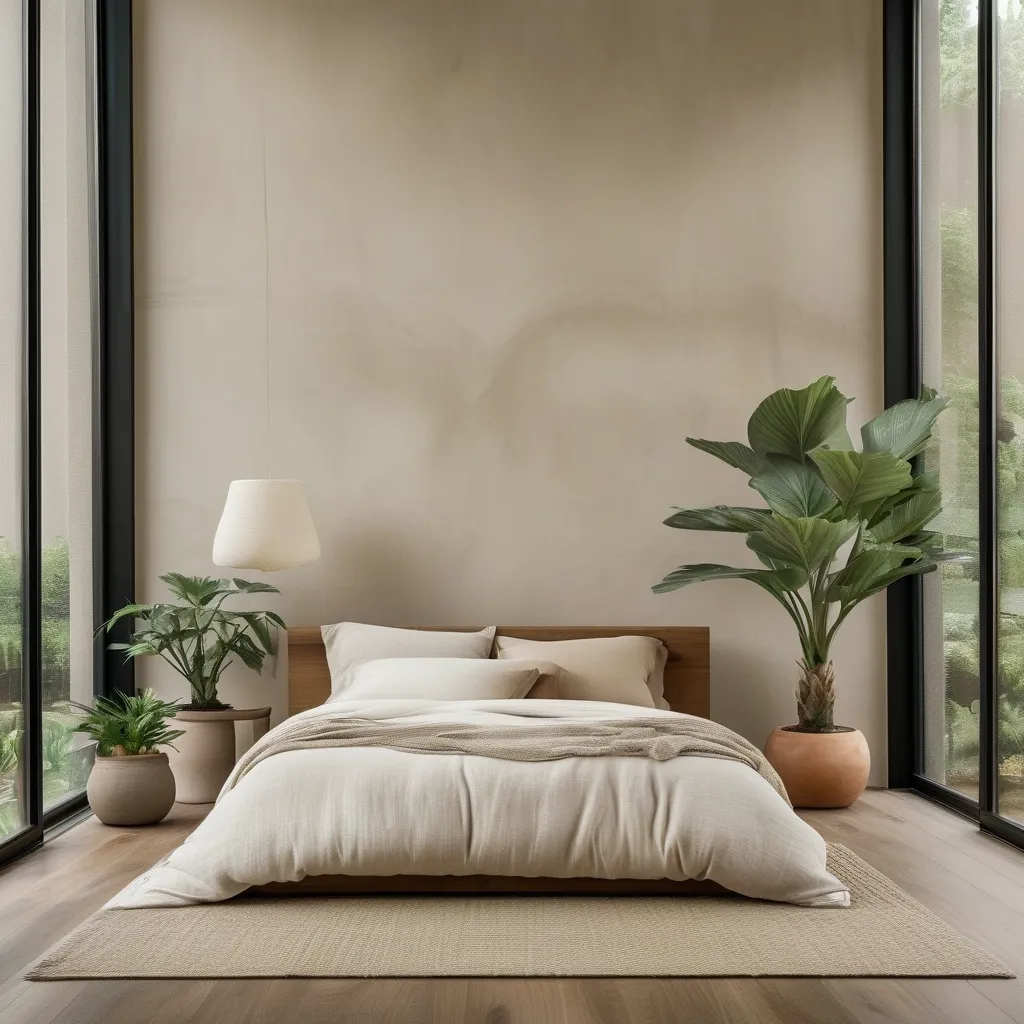
Linen everything. Linen bedding, linen curtains, linen throw pillows. “Linen wallpaper” searches are up 104% — people want texture at every level. Linen breathes naturally, regulating temperature better than cotton or synthetics. For wall color: sage green (up 55%), mushroom (up 69%), or cream (up 44%) create a calming backdrop.
Blackout + natural light hybrid. The biophilic bedroom isn’t about eliminating light — it’s about controlling it. Blackout curtains for sleep, sheer linen panels for daytime filtered light. If you have a garden view, frame it. If you don’t, a well-lit indoor plant grouping near the window creates the same effect.
Plants for sleep. Snake plants (Sansevieria) and aloe vera release oxygen at night, unlike most plants. Lavender’s scent has been clinically shown to lower heart rate and improve sleep quality. Place one of these on each nightstand.
The no-screen zone. The most biophilic thing you can do in your bedroom is remove the TV and phone charger. Replace them with a small water feature, a bookshelf of natural wood, and soft warm lighting. For bedroom renovation ideas, explore our bedroom renovation services.
Choosing the Right Natural Materials
Not all natural materials are created equal. Here’s a quick-reference guide based on the 2026 trend data:
| Material | Best For | Trend Status | Cost Level |
|---|---|---|---|
| Sandstone | Accent walls, flooring, outdoor | +257% searches | $$-$$$ |
| Recycled Glass | Countertops, backsplashes | +84% | $$$ |
| Bamboo | Flooring, cabinetry, furniture | +32% | $ |
| Terracotta | Flooring, wall tiles | +55% | $$ |
| Limewash Paint | Walls, ceilings | +53% | $ |
| Linen | Wallpaper, curtains, bedding | +104% | $$ |
| Wool | Rugs, upholstery | Stable | $$ |
| Rattan / Wicker | Furniture, lights, decor | Rising | $ |
Pro tip: mix, don’t match. A room with all one material looks like a showroom. Real biophilic spaces layer textures — a wool rug on bamboo flooring, linen curtains against a limewash wall, a rattan chair next to a stone side table. The contrast is what makes it feel alive.
Plant Selection Guide for Biophilic Homes
The difference between a biophilic home and a room with plants? Intentionality. Here’s how to choose:
- Living Room: Fiddle-leaf fig, Monstera, Rubber plant, trailing Pothos
- Kitchen: Basil, rosemary, thyme, mint (fresh herbs), Aloe vera, Spider plant
- Bathroom: Boston fern, Peace lily, Orchid, String of pearls, Air plants
- Bedroom: Snake plant (nighttime oxygen), Lavender (sleep aid), English ivy, ZZ plant
Avoid: plants that need drastically different care conditions than what the room naturally provides. A sun-loving cactus in a dark bathroom is biophilic theater — it looks the part for about two weeks, then dies.
Cost Breakdown and Budget Planning
Biophilic design doesn’t have to be expensive. Here’s what to expect at three budget levels for an average 150-square-foot room:
| Level | Scope | Estimated Cost |
|---|---|---|
| Entry | Limewash paint, 5-7 plants, jute rug, linen curtains, wood accent furniture | $800-$2,500 |
| Mid-Range | Above + natural stone flooring, custom wood cabinetry, living wall, skylight | $8,000-$25,000 |
| Full Renovation | Above + structural changes (larger windows, arches), custom stonework, smart circadian lighting, water feature | $30,000-$80,000+ |
The best ROI comes from natural stone flooring and custom wood cabinetry — both add long-term resale value and are biophilic fundamentals. For budget-conscious projects, start with paint, textiles, and plants. You can always upgrade materials later.
Explore our whole-house solutions for bundled pricing that can save 15-25% versus renovating room by room.
7 Common Biophilic Design Mistakes
- Too many plants, no curation. A jungle without intention is just clutter. Each plant should serve a purpose — visual, sensory, or functional.
- Fake plants. Plastic plants are the opposite of biophilic. They collect dust, look fake after six months, and provide zero sensory or air-quality benefits.
- Ignoring light quality. Natural materials look terrible under harsh cool-white LEDs. Use 2700K-3000K warm lighting with dimmers.
- All one material. A room entirely in reclaimed wood feels like a sauna, not a home. Layer at least three different natural textures.
- Forgetting maintenance. Living walls need irrigation. Wood floors need refinishing. Linen wrinkles. Biophilic design is higher-maintenance — plan for it.
- Style over function. A pebble floor is beautiful but terrible for wheelchairs or high heels. A curved island looks stunning but reduces prep space. Think through how you actually use the room.
- Skipping professional help for structural changes. Adding a skylight or removing a wall requires engineering. Hire a licensed contractor — the DIY horror stories aren’t worth the savings.
Frequently Asked Questions
What is the difference between biophilic design and just adding plants?
Plants are one element of biophilic design. The full approach integrates natural light, organic materials, sensory experiences (smell, sound, touch), nature-inspired forms, and spatial layouts that mimic natural environments. Adding a plant is step one of about ten.
How much does biophilic design increase home value?
While biophilic-specific resale data is limited, the individual upgrades — natural stone flooring, custom wood cabinetry, improved natural lighting — consistently rank among the top ROI home improvements. Natural stone floors alone can add 3-5% to a home’s appraised value, according to the National Association of Realtors.
Can I do biophilic design in a small apartment?
Absolutely. In fact, small spaces benefit the most from biophilic principles. Focus on vertical greenery (wall-mounted planters), multi-sensory elements (a small tabletop fountain, linen textiles), and maximizing natural light with mirrors. A single large plant makes a bigger impact than ten small ones scattered around.
What is the most cost-effective biophilic upgrade?
Limewash paint. At roughly $50-80 per gallon, it transforms a room’s texture and light quality for under $300 in materials. Pair it with four to five well-chosen plants and a natural fiber rug, and you’ve achieved about 60% of the biophilic effect for under $800 total.
Does biophilic design work in all climates?
Yes, but the approach changes. In hot, humid climates, focus on cross-ventilation, moisture-tolerant plants, and cool stone surfaces. In cold climates, emphasize warm wood tones, wool textiles, and maximizing the limited natural light. Biophilic design isn’t one-size-fits-all — it adapts to its environment, which is exactly the point.
Bring Biophilic Design Into Your Home
Biophilic design isn’t a trend that will look dated in two years. It’s a fundamental shift in how we think about the relationship between our homes and our wellbeing — backed by neuroscience, validated by search data, and visible in every 2026 design publication.
At George Design & Construction, we specialize in turning biophilic concepts into livable, beautiful spaces. With 20 years of experience, a 30,000-square-foot showroom, and a 700+ person team, we handle everything from material selection to full-project execution. Whether you’re refreshing a single room or building a whole-house biophilic sanctuary, contact us for a free consultation.
Sources: Houzz 2026 U.S. Emerging Summer Trends Report; Terrapin Bright Green, “14 Patterns of Biophilic Design”; National Association of Realtors Remodeling Impact Report.