A cozy living room is not only about soft blankets and warm lighting. It is the result of thoughtful space planning, comfortable furniture, layered textures, and living room decor that reflects the people who use the room every day. Whether you are refreshing a small apartment, updating a family home, or gathering living room inspiration for a future renovation, the goal is to create a space that feels inviting, practical, and easy to enjoy.
What makes a living room feel cozy?
A living room feels cozy when it supports comfort, connection, and everyday use without feeling crowded or under-designed. The right room design living room approach balances layout, scale, lighting, color, texture, and personal details so the space feels warm instead of staged.
Cozy does not have to mean rustic, dark, or filled with decor. A bright modern room can feel cozy if the seating is arranged for conversation, the lighting is soft enough in the evening, and the materials invite people to sit down and stay awhile. The key is to think beyond individual pieces and consider how the room works as a complete experience.
A successful cozy living room usually includes:
- A clear seating area that makes conversation, reading, or relaxing feel natural.
- Layered lighting instead of relying on one harsh overhead fixture.
- Soft materials such as rugs, cushions, throws, curtains, and upholstered furniture.
- Balanced proportions so furniture fits the room without overwhelming it.
- Personal touches that make the room feel lived in, not copied from a showroom.
- Practical surfaces and storage that keep daily clutter from taking over.
Start with space planning before buying decor
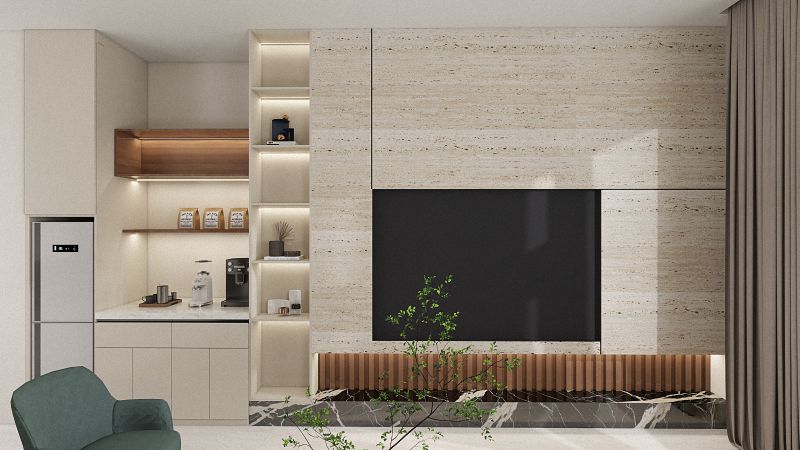
Space planning is the foundation of every comfortable living room. Before you choose pillows, artwork, or a new coffee table, look at how people move through the room and where they naturally want to sit. A room can have beautiful furniture and still feel awkward if the layout blocks pathways, leaves seats too far apart, or pushes every piece against the walls.
Begin by identifying the room’s main purpose. Some living rooms are designed for conversation, some for movie nights, some for reading, and many need to do all three. Once the purpose is clear, the layout becomes easier to solve. A family room might need a generous sectional and storage for games, while a formal sitting room may work better with two sofas facing each other or a sofa paired with accent chairs.
Use these space planning steps before making major purchases:
- Measure the room carefully. Include windows, doors, radiators, fireplaces, built-ins, and traffic paths.
- Choose a focal point. This could be a fireplace, a view, a media wall, a large artwork, or a central seating arrangement.
- Map the walkways. Leave enough room to move comfortably around furniture without squeezing between pieces.
- Test furniture scale. Use painter’s tape on the floor to outline sofas, chairs, tables, and rugs.
- Plan surface access. Every seat should have a place nearby for a drink, book, or phone.
- Check sightlines. If the room includes a television, make sure seating is comfortable without turning the layout into a theater unless that is the main purpose.
Good space planning also prevents impulse buys. A chair may look perfect online, but if it blocks a doorway or leaves no room for a side table, it will create friction every day. A cozy room should feel effortless to use.
Build the room around comfort and flow
Comfort is both physical and visual. A sofa should feel good to sit on, but the room should also feel balanced when you walk into it. That means paying attention to how furniture relates to the room’s architecture, the distance between pieces, and the way the eye moves from one element to another.
Avoid treating the walls as the only place furniture can go. Pulling a sofa slightly forward, floating chairs around a rug, or creating a conversation zone can make a room feel more intentional. In larger rooms, you may even need multiple zones: one for watching television, one for reading, and one for casual conversation.
For small living rooms, cozy often comes from editing. Choose fewer pieces with better proportions instead of trying to fit every item you like. A loveseat, slim accent chair, round coffee table, and wall-mounted shelving can feel more spacious than a bulky sofa and oversized storage units.
For large living rooms, cozy often comes from anchoring. Use a rug large enough to connect the main seating pieces, add lamps at different heights, and bring furniture closer together so people are not speaking across an empty expanse. Large rooms can feel cold when all the furniture hugs the walls.
Color sets the emotional tone
Color is one of the fastest ways to change how a living room feels. Warm neutrals, soft earth tones, muted greens, deep blues, creamy whites, and gentle grays can all create a cozy atmosphere when used thoughtfully. The best palette depends on the room’s natural light, flooring, furniture, and the mood you want.
If you love calm interiors, start with a neutral base and add warmth through wood, woven materials, brass, leather, or textured fabrics. If you prefer a richer look, consider deeper paint colors or saturated accents. A moody wall color can make a living room feel intimate, especially when balanced with soft lighting and lighter textiles.
A helpful approach is to choose:
- One main color for walls or large furniture.
- One supporting color for rugs, curtains, or accent chairs.
- One or two accent tones for pillows, art, vases, and smaller decor.
- Natural materials to prevent the palette from feeling flat.
Try not to choose colors in isolation. A paint swatch can look beautiful in a store and completely different at home. Test samples on multiple walls and check them in morning, afternoon, and evening light before committing.
Texture is what makes the room inviting
A cozy living room needs texture because texture creates depth. Without it, even a well-planned room can feel flat or unfinished. Think of texture as the difference between a room that looks nice in a photo and a room that makes you want to curl up with a cup of tea.
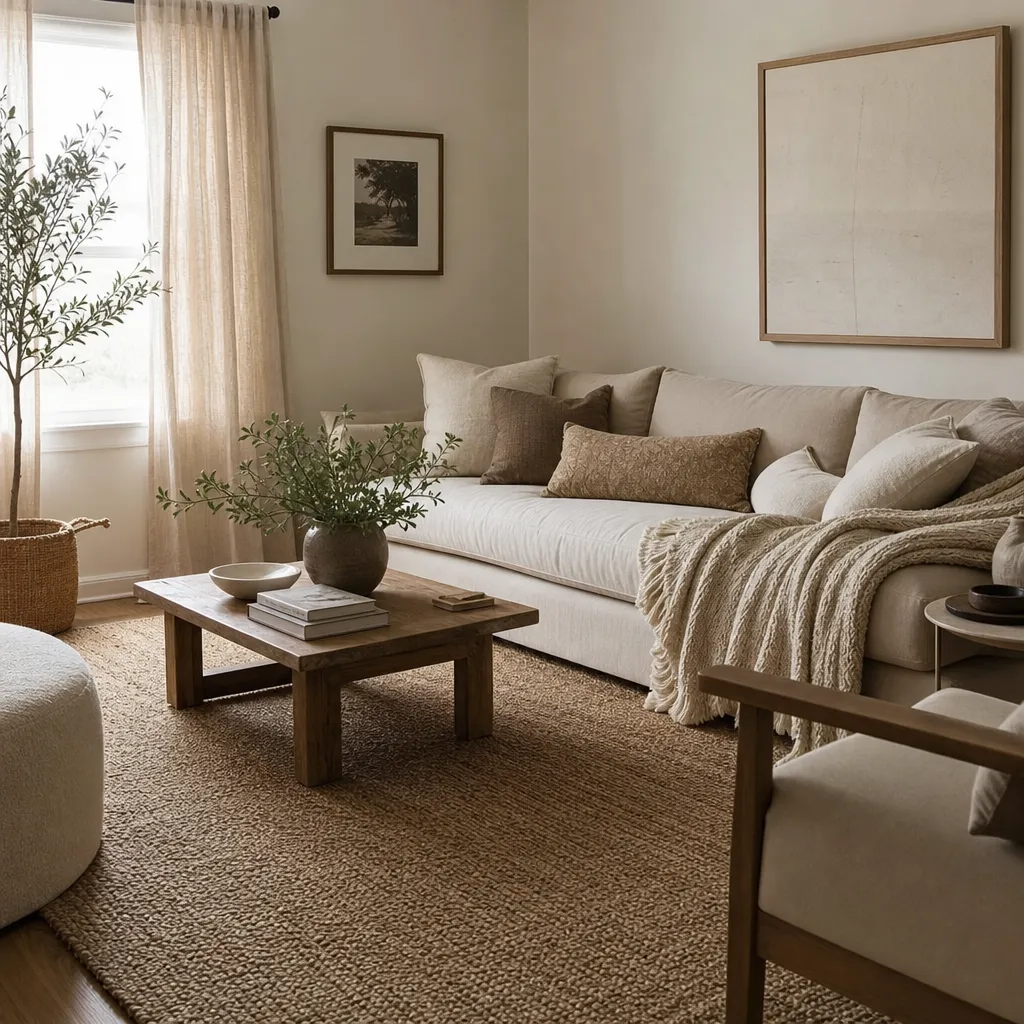
Layering texture does not mean adding clutter. It means combining materials that feel different from one another. A smooth leather chair, chunky knit throw, linen curtain, wool rug, ceramic lamp, and wooden coffee table can work together beautifully because each one adds a distinct surface.
Consider these texture-building interior design ideas:
- Add a rug with visible weave or soft pile to ground the seating area.
- Use curtains even if you already have blinds to soften the windows.
- Mix pillow fabrics such as velvet, linen, boucle, cotton, or wool.
- Include natural wood, stone, rattan, or ceramic for organic contrast.
- Layer a throw over a sofa or chair, but keep it relaxed rather than overly styled.
- Add books, baskets, and handmade objects for a collected feeling.
Texture is especially important in neutral rooms. If everything is beige, white, or gray, the variation in material becomes the thing that keeps the room interesting.
How do you design a luxury living room without losing warmth?
To design a luxury living room without making it feel cold, focus on quality, proportion, restraint, and sensory comfort rather than obvious showiness. The best answer to how to design a luxury living room is to combine elevated materials with livable choices, so the room feels polished but still welcoming.
Luxury does not require every item to be expensive. It comes from harmony. A well-sized sofa, properly hung curtains, layered lighting, edited accessories, and a beautiful rug can make a living room feel refined even with a mix of high and affordable pieces.
Details matter. Curtains should hang high and fall cleanly. Rugs should be large enough to connect furniture instead of floating in the middle of the floor. Lamps should create a flattering glow. Art should be placed with intention rather than scattered randomly across every wall.
For a warm luxury look, prioritize:
- Better materials where they matter most. Invest in pieces you touch daily, such as seating, rugs, and throws.
- A restrained palette. Fewer colors can feel more sophisticated when texture and shape carry the design.
- Statement lighting. A sculptural floor lamp, elegant table lamp, or beautiful pendant can elevate the entire room.
- Custom-feeling details. Large-scale art, tailored curtains, and thoughtful styling often make a room feel more finished.
- Comfortable negative space. Luxury rooms do not need every corner filled.
The warmth comes from making sure the room still supports real life. If guests are afraid to sit down, the design has gone too far from comfort.
Lighting changes everything after sunset
Lighting can make or break a cozy room. During the day, natural light does much of the work. In the evening, the room needs layers so it can shift from practical to relaxing.
Relying on one ceiling light often creates shadows, glare, or a flat atmosphere. Instead, use a combination of ambient, task, and accent lighting. Ambient lighting provides general glow, task lighting helps with reading or working, and accent lighting highlights art, shelves, plants, or architectural features.
A cozy lighting plan might include:
- A floor lamp beside a reading chair.
- A table lamp on a console or side table.
- Soft lighting on bookshelves or built-ins.
- Dimmable overhead lighting if available.
- Candles or battery-operated lanterns for atmosphere.
- Warm white bulbs rather than cool, clinical light.
Place lighting at different heights to create depth. A room with only overhead lighting can feel exposed, while a room with several low and mid-level light sources feels more intimate.
Living room decor should feel personal, not crowded
Living room decor is where the room gains personality. Art, books, plants, trays, bowls, candles, and collected objects help tell the story of the home. The challenge is to add enough detail to feel inviting without covering every surface.
Start with larger decorative anchors. A statement artwork, mirror, oversized plant, or styled bookshelf can do more for the room than many tiny accessories. Then add smaller pieces in groups, leaving breathing room so the eye can rest.
A useful styling rule is to vary height, shape, and material. For example, on a coffee table you might place a low tray, a stack of books, a small bowl, and a vase with branches. On shelves, mix vertical books with horizontal stacks, framed photos, ceramics, and open space.
Plants are especially effective because they bring life, color, and shape into the room. If natural light is limited, choose low-maintenance varieties suited to indoor conditions or use high-quality faux greenery sparingly.
Personal decor matters more than trend-driven styling. A living room becomes cozy when it includes items with meaning: travel finds, family photos, favorite books, handmade pieces, or art that reflects your taste.
Common living room design red flags
Some choices make a living room feel uncomfortable even when the individual pieces are attractive. Recognizing living room design red flags early can save money, time, and frustration.
Watch for these common issues:
- Furniture lined up only against the walls. This can make the center feel empty and conversation feel distant.
- A rug that is too small. A tiny rug can make the seating area look disconnected.
- One overhead light doing all the work. This often creates harsh shadows and a less relaxing mood.
- No clear focal point. Without visual direction, the room may feel scattered.
- Too many small accessories. Cluttered surfaces can make the room feel busy rather than cozy.
- Ignoring scale. Oversized furniture can overwhelm a small room, while delicate pieces can disappear in a large one.
- Uncomfortable seating. A beautiful sofa that no one likes sitting on will never support a cozy space.
- No practical storage. Blankets, remotes, toys, chargers, and magazines need a place to land.
These red flags do not mean the room needs a full redesign. Often, small changes help: move furniture inward, upgrade the rug size, add two lamps, remove excess accessories, or bring in a storage basket.
Create a layered room design living room plan
When people search for room design living room ideas, they are often looking for a finished look. But the best results come from working in layers rather than trying to decorate everything at once. Each layer supports the next, creating a room that feels complete and intentional.
Use this simple order:
- Layout: Decide where seating, storage, and pathways belong.
- Large furniture: Choose sofas, chairs, media units, and tables that fit the layout.
- Rug: Anchor the seating zone and soften the floor.
- Lighting: Add lamps and dimmable sources for flexibility.
- Window treatments: Use curtains, shades, or a combination for softness and privacy.
- Textiles: Bring in pillows, throws, and upholstery with varied texture.
- Art and decor: Add personality after the main structure is in place.
- Editing: Remove anything that makes the room feel crowded, mismatched, or inconvenient.
This approach also helps with budgeting. You can build the room gradually while still making decisions that work together. Instead of buying random decor to fill empty spots, you make each choice with the full room in mind.
Living room inspiration for different styles
Cozy design can work with almost any style. The secret is to translate warmth into the language of the room rather than forcing one specific look.
For a modern cozy living room, choose clean-lined furniture, a simple palette, warm wood, textured rugs, and sculptural lighting. Keep accessories edited, but make sure the materials do not feel too cold.
For a traditional cozy living room, use classic upholstery, layered curtains, framed art, patterned pillows, and rich wood tones. Symmetry can make the room feel calm and elegant, especially around a fireplace or central coffee table.
For a bohemian cozy living room, combine layered rugs, plants, woven accents, low seating, vintage pieces, and collected art. Keep the color palette somewhat connected so the room feels relaxed rather than chaotic.
For a minimal cozy living room, choose fewer pieces, but make each one count. Soft upholstery, warm neutrals, natural textures, and excellent lighting prevent minimalism from feeling bare.
For a family-friendly cozy living room, prioritize durable fabrics, rounded edges, washable textiles, closed storage, and flexible seating. A room can be beautiful and still handle movie nights, pets, toys, and everyday life.
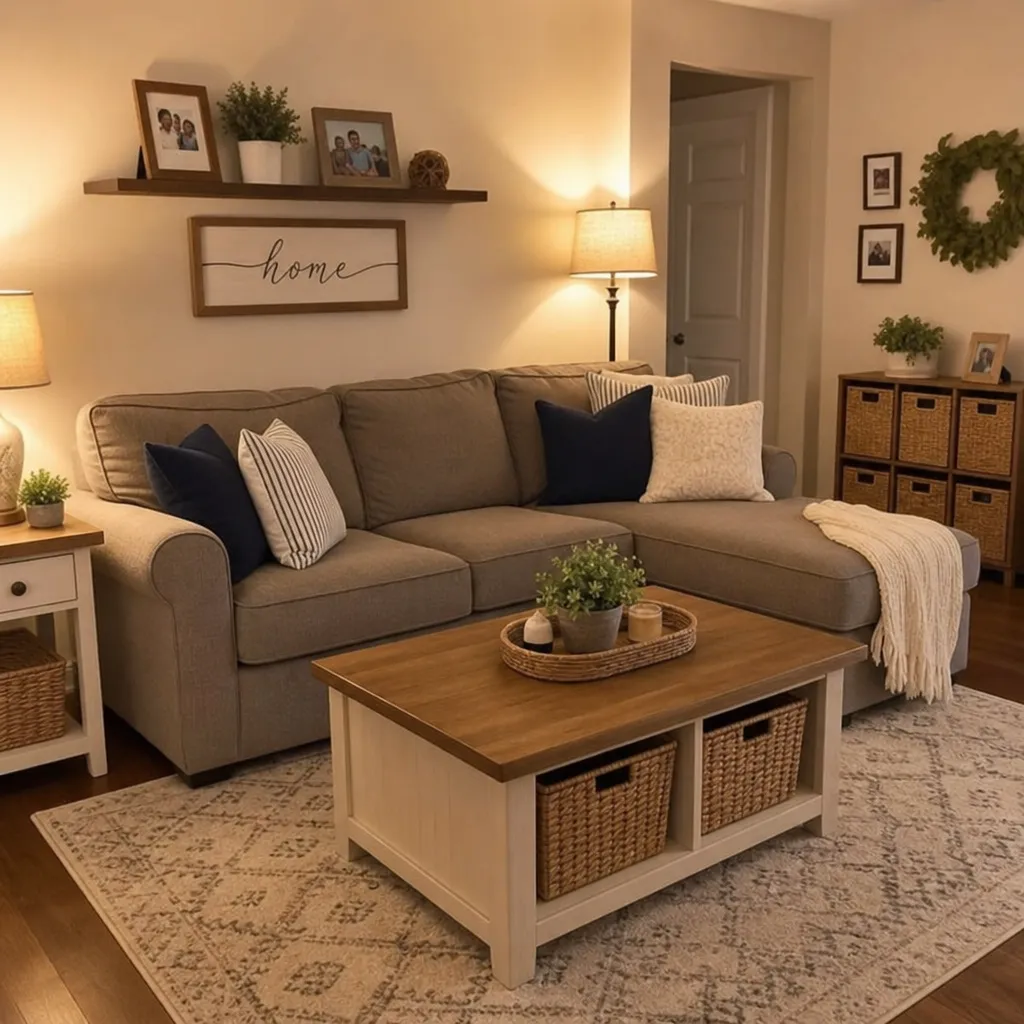
Small finishing touches make the space feel complete
Once the major pieces are in place, finishing touches help the room feel settled. These details are easy to overlook, but they often make the difference between “almost done” and genuinely inviting.
Check the room from the entrance. What do you see first? If the first view is the back of a sofa, a tangle of cords, or a blank wall, consider adding a console table, art, a plant, or better cable management.
Then sit in every main seat. Is there enough light? Is there a surface within reach? Does the room feel comfortable from that angle? Cozy design is not only about how the room photographs; it is about how it feels when used.
A final cozy-room checklist:
- Seating supports the way people actually gather.
- Walkways are clear and comfortable.
- The rug connects the furniture visually.
- Lighting works for daytime, evening, reading, and relaxing.
- Textures are varied but not overwhelming.
- Decor includes personal pieces, not only trend items.
- Storage is available for everyday clutter.
- The room feels good from multiple viewpoints.
A cozy living room grows with you
Creating a cozy living room is not about finishing every detail in one weekend. It is about making thoughtful choices that support comfort, beauty, and real life. Start with space planning, choose furniture that fits, layer lighting and texture, then add living room decor that feels personal.
The most inviting rooms usually look collected over time. Let your living room evolve as your needs, routines, and tastes change. When the space welcomes people in, supports daily living, and reflects your personality, it has done its job beautifully.