A luxury villa is more than square footage—it is a statement of how you live. In 2026, luxury villa interior design is defined less by ostentation and more by restraint, craftsmanship, and a seamless connection between architecture and daily life. Whether you are building a new villa in Foshan, renovating a coastal retreat, or refining a family estate, the principles below distill what the world’s best design-build teams are specifying right now.
This guide walks through the ten ideas shaping high-end villa interiors in 2026, from open-plan living and spa bathrooms to subtle smart-home tech and sustainable materials—plus how to brief a professional team so the result feels effortless rather than engineered.
Table of Contents
- 1. Open-Plan Living: The Heart of the Modern Villa
- 2. The Showpiece Kitchen
- 3. Spa-Inspired Luxury Bathrooms
- 4. Material Palette: Stone, Wood, and Metal
- 5. Smart-Home Integration Done Subtly
- 6. Bringing the Outdoors In: Biophilic Design
- 7. Sustainable Luxury: The New Status Symbol
- 8. Lighting as Architecture
- 9. Working with a Professional Design-Build Team
- Frequently Asked Questions
1. Open-Plan Living: The Heart of the Modern Villa
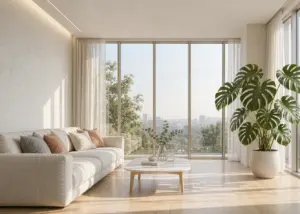
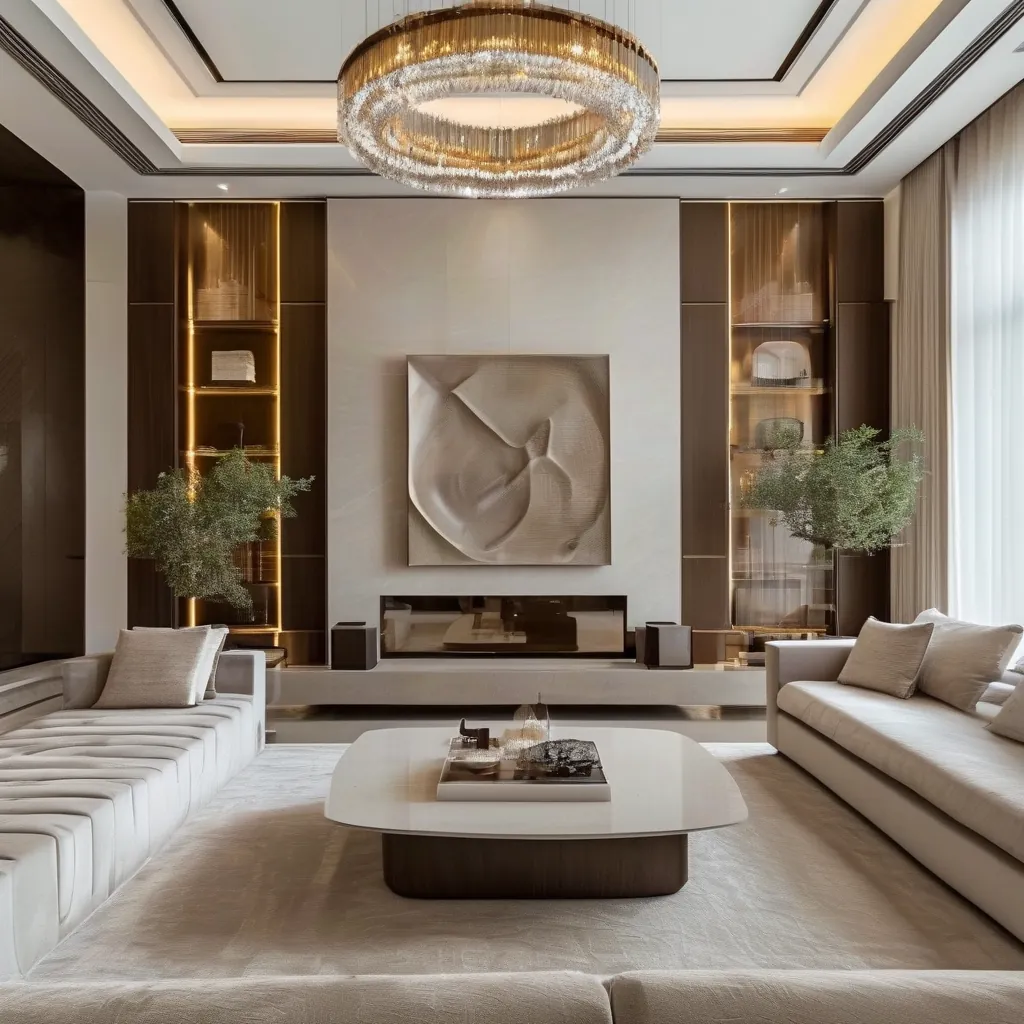
The single most requested move in luxury villa interior design remains the open-plan great room—kitchen, dining, and lounge flowing into one volume anchored by a double-height ceiling and floor-to-ceiling glazing. In 2026 the trend is maturing: instead of one undifferentiated box, designers use material changes, dropped beams, and partial screening to zone spaces without walls. Think a raised hearth platform that subtly separates lounge from dining, or a stone-clad kitchen island that reads as sculpture.
The goal is generosity of space that still feels intimate. Layered rugs, a pair of opposing sofas, and a curated art wall keep a 60-square-meter room from feeling like a hotel lobby.
2. The Showpiece Kitchen
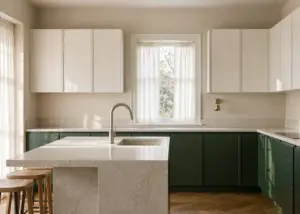
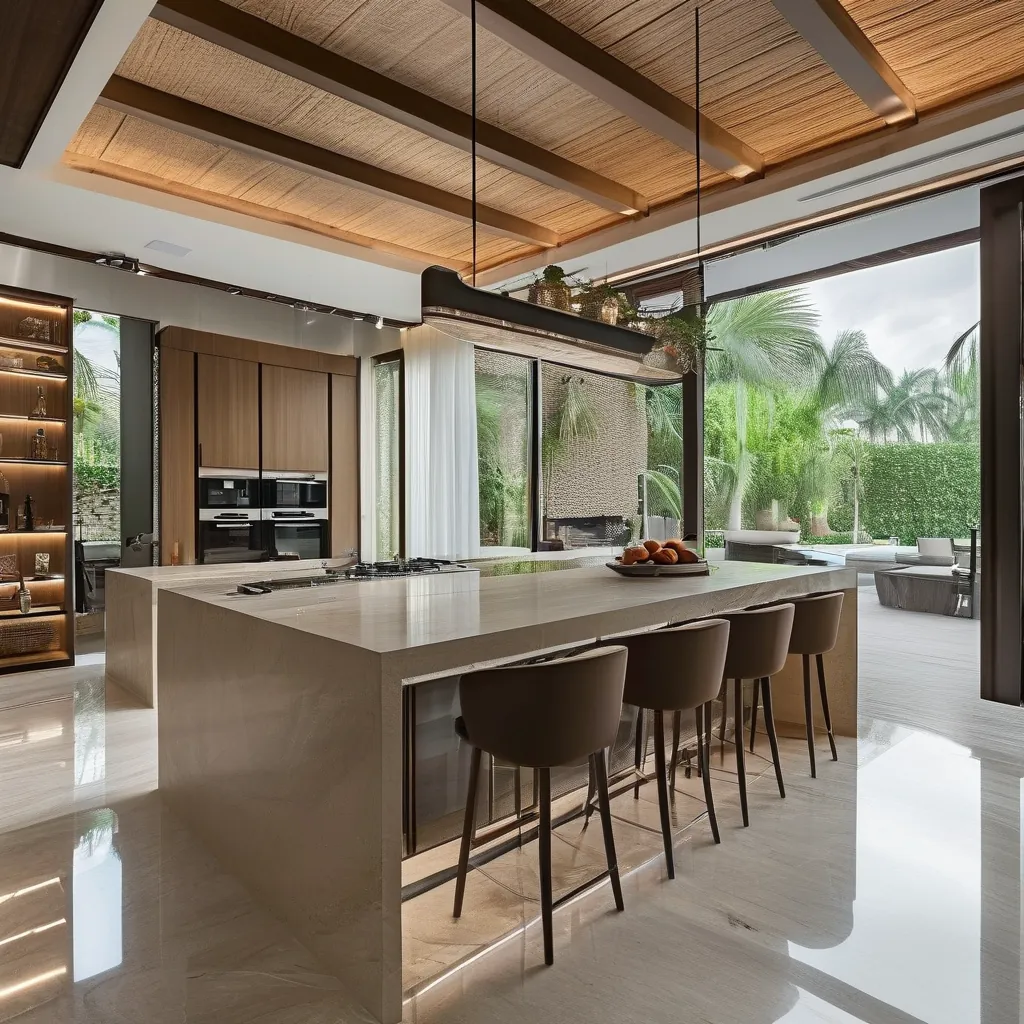
In a villa, the kitchen is no longer a back-of-house function—it is a performance space. The 2026 showpiece kitchen pairs a monolithic stone island (often a single bookmatched slab of marble or quartzite) with handleless, push-to-open cabinetry in warm timber or matte lacquer. Hidden sculleries and butler’s pantries keep small appliances and clutter out of sight, so the visible surface stays gallery-clean.
For inspiration on layout and finishes, see our kitchen renovation service and our earlier 2026 interior design trends overview.
3. Spa-Inspired Luxury Bathrooms
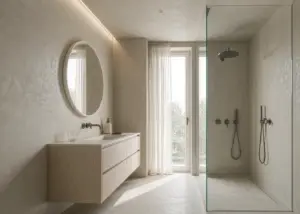
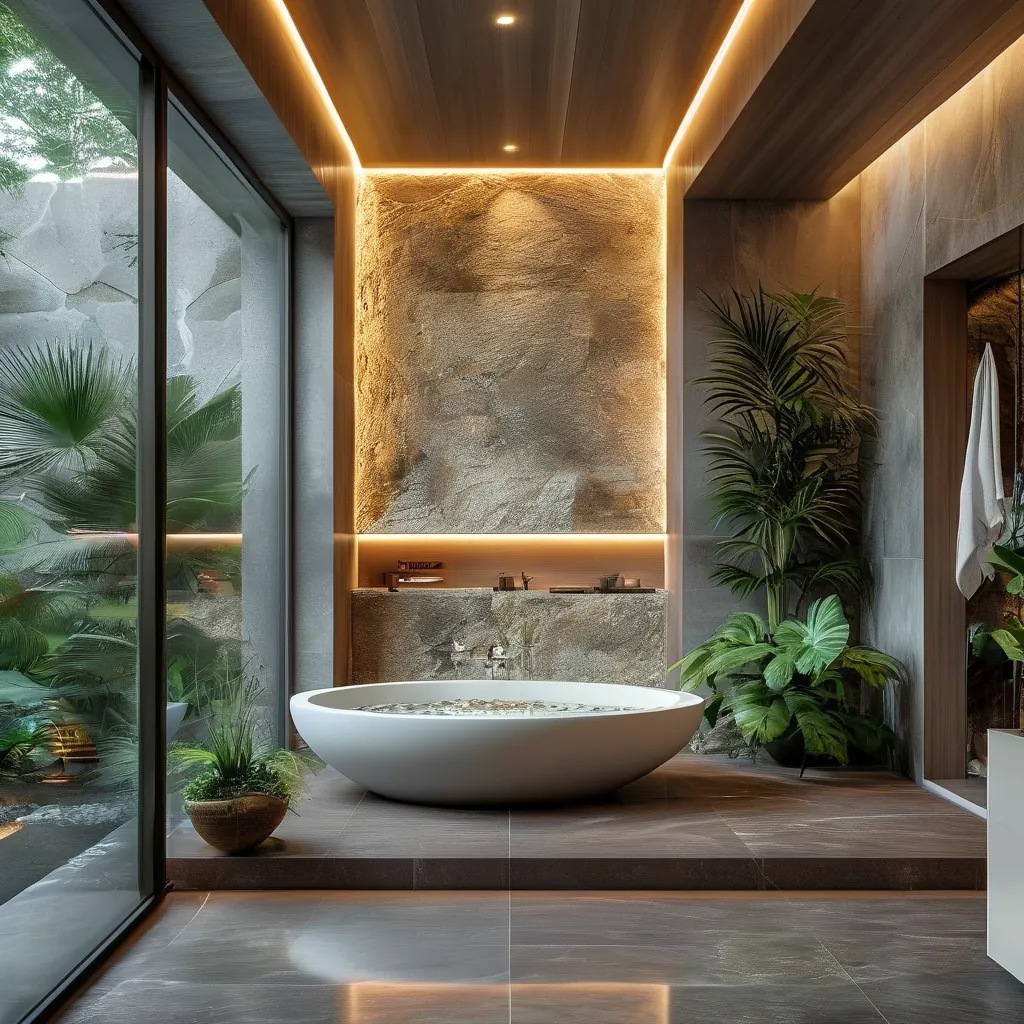
The villa bathroom has become a private wellness suite. Frameless wet rooms, freestanding stone tubs, and rainfall showers with chromotherapy are now baseline expectations. The 2026 refinement is warmth: radiant heated stone floors, towel warmers, and timber vanities that soften the typical clinical spa. Natural light and a planted courtyard view turn a functional room into a daily ritual.
Our bathroom renovation ideas for 2026 cover the layouts and material pairings we recommend most often for villa-scale projects.
4. Material Palette: Stone, Wood, and Metal
Material honesty is the quiet luxury of 2026. Rather than busy pattern, high-end villas lean on a restrained trio: large-format natural stone, wide-plank engineered timber, and a single accent metal (brushed brass, blackened steel, or unlacquered bronze). The trick is repetition—using the same stone from the entry floor up the stair treads and into the bathroom creates a sense of built-in permanence money alone cannot buy.
Choosing stone that lasts
Quartzite outperforms marble for high-traffic villa kitchens, resisting etching while keeping the veined look clients love. For bathrooms, honed limestone adds tactility but needs a penetrating sealer in humid climates.
5. Smart-Home Integration Done Subtly
Luxury in 2026 is invisible technology. Lighting, climate, shading, security, and audio run on one platform, but the interfaces disappear: recessed speakers, motorized drapery hidden in ceiling pockets, and keypads finished to match the wall. The test of good integration is that a guest notices nothing—yet the villa anticipates their comfort. Specify a robust structured-cabling backbone during construction; retrofitting later triples the cost.
6. Bringing the Outdoors In: Biophilic Design
Biophilic design—connecting interiors to nature—has moved from wellness trend to core villa strategy. Expect internal courtyards, green walls in transitional spaces, and sliding glass walls that erase the boundary between living room and garden. Planting is planned with the architect, not added afterward, so sightlines from the primary suite frame mature trees rather than fences. This approach also supports the indoor air quality and calm that high-net-worth buyers increasingly ask for.
7. Sustainable Luxury: The New Status Symbol
The old equation—luxury equals excess—is obsolete. Today’s villa owners treat low-carbon materials, solar integration, and passive cooling as marks of sophistication. Reclaimed timber, locally sourced stone, and high-performance glazing reduce both footprint and running cost. Certifications such as LEED or WELL are becoming differentiators in premium markets from the Gulf to Southeast Asia.
8. Lighting as Architecture
In a villa, lighting is the final layer of architecture. A layered scheme—ambient cove and wall-wash, task under-cabinet and desk, and accent on art and stone—transforms the same room across the day. In 2026, tunable-white LED lets the villa shift from energizing 4000K mornings to warm 2700K evenings on a single scene. Concealed linear profiles in ceilings and stair nosings deliver the “floating” effect synonymous with high-end builds.
9. Working with a Professional Design-Build Team
The fastest way to dilute a villa budget is a fragmented process—architect, interior designer, and contractor working from three disjointed drawings. A single design-build partner aligns concept, materials, and construction from day one, protecting both the aesthetic and the schedule. At George Design & Construction, we spec finishes, cabinetry, and smart systems during the architectural phase so nothing is value-engineered out later. If you are planning a villa in or around Foshan, talk to our team before the foundation is poured.
Frequently Asked Questions
What defines luxury villa interior design in 2026?
Restraint, craftsmanship, and integration. Rather than visible opulence, 2026 luxury reads as generous space, honest materials used repeatedly, invisible smart tech, and a strong indoor-outdoor connection.
How much does a luxury villa interior cost?
Budgets vary widely by region and scope, but the largest cost drivers are bespoke joinery, stone, smart-home infrastructure, and structural glazing. Engaging a design-build team early typically saves more than it costs by avoiding rework.
Which materials are best for a villa kitchen?
Quartzite benchtops, handleless timber or matte-lacquer cabinetry, and a hidden scullery give the durable-yet-gallery look most clients want. A single bookmatched stone island is the signature piece.
Should a villa be smart-home enabled?
Yes—but plan the cabling during construction. Lighting, climate, shading, and security on one platform add daily comfort and resale value, provided the interfaces stay concealed.
Conclusion
Luxury villa interior design in 2026 is about confidence through restraint: one coherent material story, spaces that flow, technology you never see, and a home that breathes with its landscape. If you are planning a villa and want a single team to carry the vision from drawing to finishing, contact George Design & Construction—and explore our home office renovation ideas for the workspace side of villa living.